


FitVille Women's Rebound Core V9
Use the current product images and size selector to compare this walking model. Confirm the care instructions for your exact pair before choosing cleaners or accessories.
View current options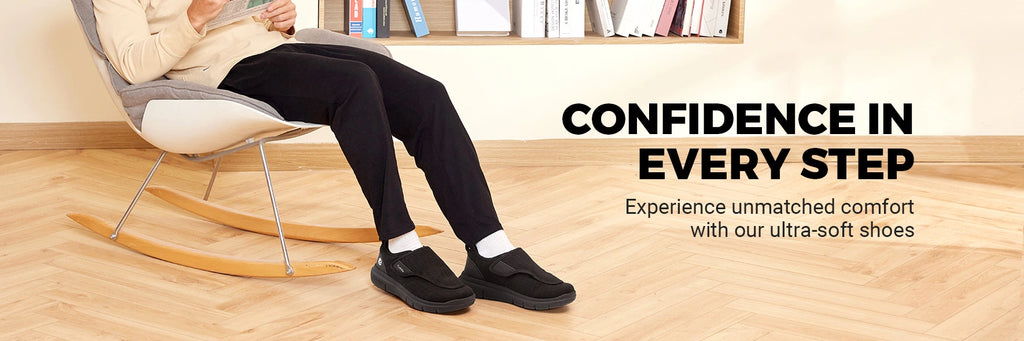
To clean hook-and-loop shoe straps, start by removing loose lint from the hook side gently, then follow the shoe manufacturer's care instructions for any wet cleaning. Keep debris removal separate from repairing a worn closure. Cleaning may uncover usable hooks, but it cannot rebuild flattened hooks, torn loops or failing stitching.
Open the strap while seated and inspect both fastening surfaces in good light. Look for hair, sock fibers and grit caught in the hooks, then check the loop patch for matting or tears. Examine the stitching and the strap's attachment to the upper. Also check whether the two surfaces overlap adequately when the shoe fits comfortably. A clean closure with very little overlap may reflect a fit or adjustment issue rather than dirt.
Support the strap so that you are not pulling against its stitching. The fastener maker VELCRO Brand describes brushing or carefully picking debris from the hook surface. Use a gentle approach and avoid sharp tools against the soft loops. Work over a surface where the removed fibers can be collected. If the hooks bend, the fabric pulls or the patch starts to detach, stop. Aggressive scraping can turn a maintenance problem into a damaged fastening surface.
Fastener care advice does not automatically apply to the leather, adhesive or lining around it. Check the instructions for the complete shoe before washing a strap. Avoid soaking a shoe simply because the fastening tape itself tolerates cleaning. If wet cleaning is permitted, follow the specified method and allow the parts to dry as directed before closing them. Do not add oil, conditioner or polish to the fastening surfaces in an attempt to improve grip.
With the shoe on, place the strap in its usual comfortable position and press the matching surfaces together across the overlap. Stand and take a short indoor walk only if the closure holds. Inspect whether the strap lifts from one edge or the whole patch releases. Persistent failure calls for advice from the seller or a shoe repair professional. Repeatedly pulling the strap tighter is not a substitute for a working closure, and it can make the upper uncomfortable.
| What to check | Next step |
|---|---|
| Lint in hooks | Remove gently and reassess |
| Torn or flattened fastening surface | Ask about repair or replacement |
| Loose stitching | Stop pulling on the attachment |
| Very short overlap | Review fit and strap position |
No. VELCRO is a brand name. Use the shoe maker's instructions for the particular fastening materials on your pair.
Not necessarily. Removing debris and replacing worn components are different tasks. Assess the condition after cleaning.
Ask the seller or repairer first. The repair method depends on how the patch and shoe are constructed.
Maintaining a usable pair and shopping for another are separate decisions. If a replacement is appropriate, start with a fresh fit check. These two FitVille models are browsing options; the care and accessory advice above is not a claim that either model accepts every treatment or part.
Use the current product images and size selector to compare this walking model. Confirm the care instructions for your exact pair before choosing cleaners or accessories.
View current options
Consider this strap-fastened model if you are comparing alternatives to laces. Try the opening, strap overlap and heel hold rather than choosing from a closure label alone.
View current optionsExplore the related FitVille guide.
Explore the related FitVille guide.
Explore the related FitVille guide.
Keep the model details and your observations together so that a fitter, seller or repairer can assess the exact pair. For current footwear choices, explore FitVille Fresh Picks.

🔥2026 Black Friday
🔥Rebound Nova 🔥Rebound Core Exova Hiking Shoes Winter Shoes New Arrivals Tennis Golf Shoes Diabetic Shoes Slip On Cloud Cushioning Shoes Hiking Adjustable Strap Dress Shoes Socks Insoles Return diabetic shoes pickleball shoes diabetic shoes for women extra wide shoes diabetic shoes for men wide shoes for women 4e wide shoes best running shoes for men wide golf shoes 6e wide shoes


