


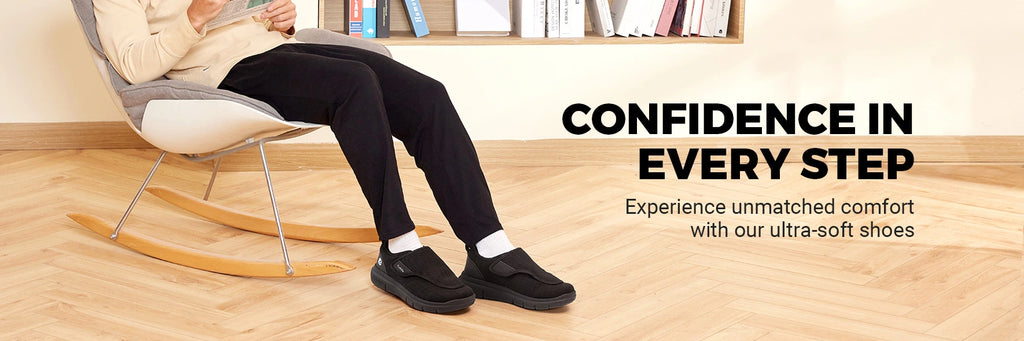
FAQs for Australians: Can Anyone Wear Diabetic Shoes?
Diabetic shoes are designed to protect foot health, especially for people with diabetes or foot conditions. But many Australians wonder: Can anyone wear diabetic shoes? Here’s what you need to know.
1. What are diabetic shoes?
Diabetic shoes or medical-grade footwear are specially designed to:
-
Provide extra width and depth
-
Accommodate custom orthotics
-
Reduce pressure points and friction
-
Help prevent ulcers, blisters, and other foot complications
They are primarily intended for people with diabetes, neuropathy, foot deformities, or high-risk feet.
2. Can people without diabetes wear them?
Yes, but it may not always be necessary.
While diabetic shoes are safe and comfortable for anyone, they are medically designed to address specific foot risks. People without these conditions can wear them for comfort, especially if they:
-
Have wide or sensitive feet
-
Suffer from bunions, hammertoes, or plantar fasciitis
-
Need extra cushioning or support for long periods of walking or standing
3. Benefits for non-diabetics
Even without diabetes, these shoes can provide:
-
Reduced friction and pressure points
-
Extra cushioning for joints and arches
-
Enhanced stability and support for walking or standing long hours
-
Prevention of foot pain for people with naturally high-risk feet
4. Considerations
-
Diabetic shoes are usually more expensive than standard footwear.
-
They may be bulkier or wider than normal shoes, which could feel unusual at first.
-
Professional assessment isn’t required for non-diabetics, but consulting a podiatrist can help choose the most suitable style.
5. Who should prioritize diabetic shoes?
People who must prioritize diabetic shoes include those with:
-
Diabetes or neuropathy
-
Foot ulcers or previous foot injuries
-
High-risk conditions like arthritis, bunions, or severe foot deformities
Summary
-
Anyone can wear diabetic shoes, but they are medically designed for people with diabetes or high-risk feet.
-
Non-diabetics can wear them for comfort, support, and prevention of foot pain.
-
Professional guidance is recommended if you have specific foot conditions.




