


FitVille Women's Rebound Core V9
Use the current product images and size selector to compare this walking model. Confirm the care instructions for your exact pair before choosing cleaners or accessories.
View current options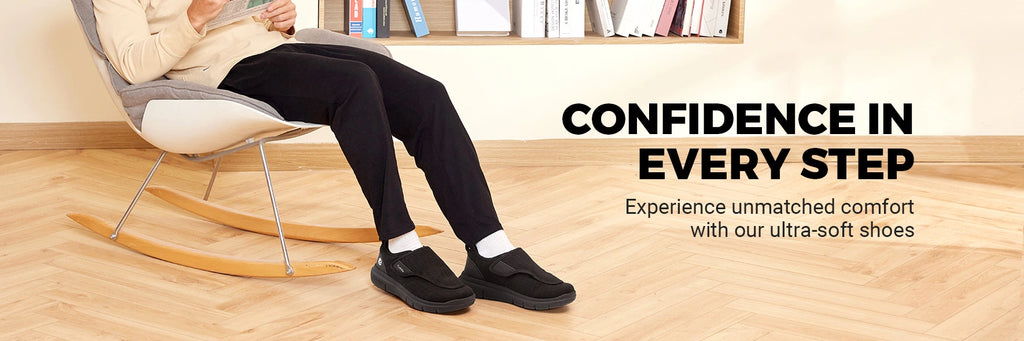
If a walking shoe sole starts peeling away, stop using the pair for walks and document the separation before attempting a repair. A loose outsole edge, failed bond and crumbling midsole are different problems. Ask the seller or a qualified shoe repairer to assess the construction. More adhesive is not a reliable answer to every separated layer.
Place the shoe on a stable surface and inspect the edge in good light. Identify whether rubber is lifting from foam, the upper is separating from the sole, or material itself is breaking up. Photograph both shoes and the affected area. Do not pull the loose edge to see how far it goes; that can enlarge the damage. Record when you first noticed it and whether the shoe was recently cleaned, heated or stored for a long period.
An intact layer that has detached presents a different repair question from foam that sheds crumbs. LOWA explains that polyurethane cushioning materials can deteriorate with age, including in footwear that has seen little use. That does not establish the material or cause in your shoe. Check the exact model information and ask for assessment. A picture of a peeling edge cannot confirm hydrolysis, a manufacturing defect or the suitability of a particular adhesive.
Gather the order details, model label and clear photographs. Ask whether the issue should go through a warranty or repair assessment and what information is needed. Keep the response with the shoe record. Do not coat the gap with household glue before the seller has seen it; an alteration can complicate diagnosis and may affect how the claim is handled. Policies vary, so check the terms that apply to your purchase instead of borrowing another brand's policy.
Ask the repairer whether the remaining cushioning, upper and tread justify the proposed work and whether the construction permits the repair. A repaired edge does not renew a worn-out midsole. If a repair is accepted, obtain the curing and return-to-use instructions for that work. Keep a different sound pair available rather than testing the damaged shoe on a long outing. If repair is unsuitable, choose a replacement through a fresh fit check, not only by matching the old size label.
| What to check | Next step |
|---|---|
| Loose layer with intact material | Request a bond assessment |
| Crumbly or cracked foam | Ask about material deterioration |
| Recent purchase | Document before alteration |
| Repair proposed | Assess the remaining shoe as well |
A visible gap may not show the full extent of separation. Have it assessed before relying on the shoe for walking.
No. Construction, wear, damage and material condition can all matter. The cause requires more than a visual guess.
Repairability depends on construction and condition. Ask about the specific pair and the limits of the proposed work.
Maintaining a usable pair and shopping for another are separate decisions. If a replacement is appropriate, start with a fresh fit check. These two FitVille models are browsing options; the care and accessory advice above is not a claim that either model accepts every treatment or part.
Use the current product images and size selector to compare this walking model. Confirm the care instructions for your exact pair before choosing cleaners or accessories.
View current options
Consider this strap-fastened model if you are comparing alternatives to laces. Try the opening, strap overlap and heel hold rather than choosing from a closure label alone.
View current optionsExplore the related FitVille guide.
Explore the related FitVille guide.
Explore the related FitVille guide.
Keep the model details and your observations together so that a fitter, seller or repairer can assess the exact pair. For current footwear choices, explore FitVille Fresh Picks.

🔥2026 Black Friday
🔥Rebound Nova 🔥Rebound Core Exova Hiking Shoes Winter Shoes New Arrivals Tennis Golf Shoes Diabetic Shoes Slip On Cloud Cushioning Shoes Hiking Adjustable Strap Dress Shoes Socks Insoles Return diabetic shoes pickleball shoes diabetic shoes for women extra wide shoes diabetic shoes for men wide shoes for women 4e wide shoes best running shoes for men wide golf shoes 6e wide shoes


