


Seated vs Standing Foot Measurements for Shoe Fit
Standing foot measurements are generally the more useful starting point for walking-shoe sizing because they include the effect of your body weight. Seated measurements can differ and should be labeled as such. The key is a repeatable setup, measurements of both feet, and an actual fitting rather than converting a single number directly into a purchase.
Make the measuring method repeatable
Use a hard, level surface and the instructions supplied with the measuring device or brand chart. If using paper, secure it so it cannot slide and ask another person to mark the longest toe without tilting the pen. Record the method, units and whether you were standing. A wall-based method can help locate the heel, but a thick baseboard may interfere. Do not compare a barefoot seated tracing with a standing measurement taken in socks and assume the entire difference comes from posture. Recheck a surprising result before using it.
Record length, width and heel-to-ball position
Overall length alone does not locate the ball of the foot inside a shoe. A trained fitter using a Brannock device can also assess heel-to-ball length and width. The manufacturer instructs users to distribute weight between both feet during measurement. Record the left and right results separately rather than averaging them. Bring those notes to the fitting together with your intended socks and inserts. If a chart asks for foot length, provide foot length; do not silently substitute a removable insole measurement.
Keep a useful measurement record
| Check | What to observe | How to use it |
|---|---|---|
| Position | Standing or assisted seated | Record which method you used |
| Each foot | Longest toe and widest region | Keep left and right results separate |
| Chart | Foot length versus insole length | Use the chart's requested measurement |
A practical example
A useful note might read: right foot measured standing, normal walking socks, length recorded in millimeters, and a separate left-foot result. Add the shoe model and width when you try it. This lets a fitter compare like with like when another chart suggests a different size. A screenshot of a size number without the chart heading loses information you may need later.
FitVille options to compare
Compare a suitable standard-width model, a wider version and a different upper or closure construction where available. These represent different fitting approaches; none is automatically best for every foot. The following FitVille options provide starting points for that comparison. They are shopping suggestions, not individually assessed recommendations.

FitVille Women's Rebound Core V9
Compare the listed wide and extra-wide options as a starting point for women seeking more forefoot space. Confirm your selected size and width; the label does not establish internal depth or ankle clearance.

FitVille Men's EasyTop Wings V2
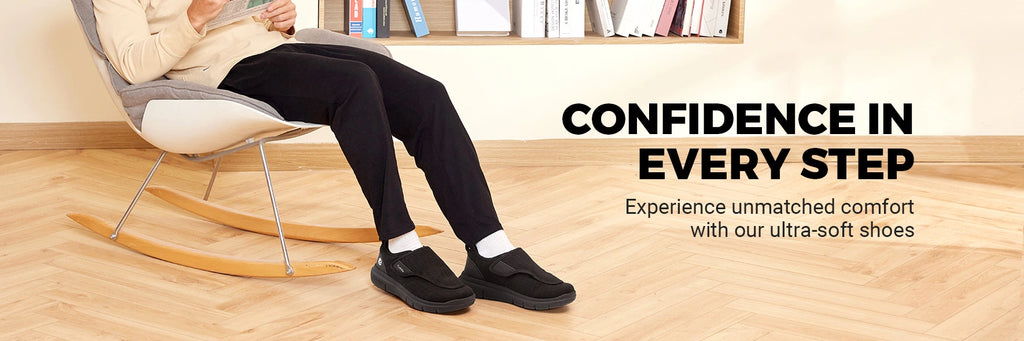
Consider the adjustable strap opening when closure adjustment is a priority. Check that the strap holds comfortably and that the interior suits your foot; it cannot compensate for insufficient length.
Check the exact size and width selector before ordering. Width choices do not establish usable interior depth; compare the actual pair with your intended socks and inserts. Availability varies by size, width and color.
FAQ
Can I measure while seated if I cannot safely stand?
Yes, but tell the fitter about the position and your mobility needs. They can assess the shoe in the positions and activities relevant to you without asking you to stand unsafely.
Why do my paper tracing and store measurement disagree?
Pen angle, heel placement, weight distribution and the measuring system can differ. Repeat the method and let the actual fit guide the final choice.
Should uncomfortable shoes need a break-in period?
Do not rely on painful wear to make a poor fit acceptable. Compare another size, width or shape if a short trial produces pressure or rubbing. Persistent symptoms merit professional advice.
Recommended reading
Best Shoes for a Wide Forefoot and Narrow Heel
Continue with practical guidance on width, heel hold and comfortable shoe selection.
How to Buy Shoes for Wide Feet
Continue with practical guidance on width, heel hold and comfortable shoe selection.
How to Lace Shoes for Wide Feet
Continue with practical guidance on width, heel hold and comfortable shoe selection.
Choose your next pair
Use the checks above to narrow your options, then compare the exact size and width you intend to buy. Explore FitVille Fresh Picks for current selections.




