


FitVille Women's Rebound Core V9
Use the current product images and size selector to compare this walking model. Confirm the care instructions for your exact pair before choosing cleaners or accessories.
View current options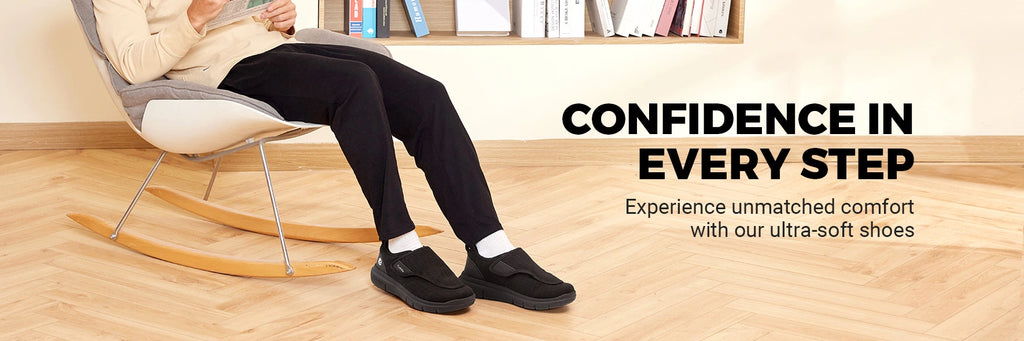
Choose replacement shoelace length by measuring a lace that already works in the same shoe, then checking the intended lacing pattern and bow. Eyelet charts are useful estimates when the original is missing. They cannot account for every shoe width, eyelet spacing or fastening preference. A lace should allow comfortable adjustment without leaving ends that reach the floor.
Before removing the old lace, photograph its route through the eyelets. Note whether you use every row and whether the final row forms a heel-lock loop. Remove one lace, lay it flat without stretching it and measure from tip to tip. If one end has broken, that shortened piece is not a reliable template. Compare the intact lace from the other shoe. Record the unit as well as the number; an inches-to-centimeters mix-up can produce a surprisingly different purchase.
Count the rows actually used and read the supplier's definition of eyelets or eyelet pairs. Check whether the chart refers to a particular model. A broad opening can consume more lace than a narrow opening with the same number of rows. So can changing to a different route. Treat the chart as a first candidate and retain the packaging until you have threaded and tied both shoes. Do not copy a universal length from another shoe size or brand.
Thread the new laces evenly and put on the socks you normally use. Seat the heel, adjust from the lowest crossings upward and tie your usual bow. Check both ends while standing. You should be able to loosen the opening for removal without pulling the tips out of several rows. If the bow is awkwardly large, compare a shorter size rather than wrapping excess around the ankle. If it barely ties, do not compensate by compressing the foot.
Length is only one dimension. Check that each aglet passes through the eyelets without force and that the lace slides through the tongue loop. A very thick replacement may bind even when its total length is suitable. Keep your successful measurement with the shoe model and lacing pattern for future orders. For example, a lace that works with ordinary criss-cross lacing may be too short after adding a top-row loop; the change does not necessarily mean the shoe itself fits poorly.
| What to check | Next step |
|---|---|
| Original lace intact | Measure it without stretching |
| Original lace missing | Use the model guide as an estimate |
| Lacing route changes | Trial the complete route before cutting anything |
| Ends approach the floor | Compare a more suitable length |
No fixed extra length applies. The distance between the eyelet rows and your chosen lacing pattern matter more than the width label alone.
Choosing a suitable replacement avoids losing the finished tips. Do not cut a proprietary fastening system without its manufacturer's instructions.
Use it as a comparison point, then test. Two shoes with the same labeled size can have different openings and eyelet layouts.
Maintaining a usable pair and shopping for another are separate decisions. If a replacement is appropriate, start with a fresh fit check. These two FitVille models are browsing options; the care and accessory advice above is not a claim that either model accepts every treatment or part.
Use the current product images and size selector to compare this walking model. Confirm the care instructions for your exact pair before choosing cleaners or accessories.
View current options
Consider this strap-fastened model if you are comparing alternatives to laces. Try the opening, strap overlap and heel hold rather than choosing from a closure label alone.
View current optionsExplore the related FitVille guide.
Explore the related FitVille guide.
Explore the related FitVille guide.
Keep the model details and your observations together so that a fitter, seller or repairer can assess the exact pair. For current footwear choices, explore FitVille Fresh Picks.

🔥2026 Black Friday
🔥Rebound Nova 🔥Rebound Core Exova Hiking Shoes Winter Shoes New Arrivals Tennis Golf Shoes Diabetic Shoes Slip On Cloud Cushioning Shoes Hiking Adjustable Strap Dress Shoes Socks Insoles Return diabetic shoes pickleball shoes diabetic shoes for women extra wide shoes diabetic shoes for men wide shoes for women 4e wide shoes best running shoes for men wide golf shoes 6e wide shoes


