


How to Stretch Shoes for Wide Feet
A small tight spot in a leather shoe may respond to gentle stretching, but a shoe that squeezes your entire forefoot usually needs a different width. To stretch shoes for wide feet, identify the material, check whether alterations affect returns, and use a suitable stretcher or ask a cobbler for a small, targeted adjustment.
There is no dependable promise that stretching will add a full width size. The upper, lining, seams and sole all limit how much the shoe can change.
Check the material before choosing a method
| Construction | Reasonable starting point | Main limitation |
|---|---|---|
| Smooth natural leather | Ask about gentle mechanical stretching | Finish and seams may limit movement |
| Natural suede | Use a professional assessment or suitable stretcher | Surface marks and distortion are possible |
| Synthetic leather or artificial suede | Ask the manufacturer before altering | It may not respond like natural leather |
| Mesh with bonded overlays | Try lacing adjustments first | Overlays may continue to compress the foot |
| Rigid toe cap or narrow sole | Choose a different size or shape | Stretching the upper does not widen rigid parts |
Clarks' adult fit guidance explains that materials affect fit and that natural leather can adapt with wear. That does not make every leather shoe a suitable stretching project.
A cautious shoe-stretcher method
- Confirm that the shoe is yours to alter. Keep a new, returnable pair unmodified until you decide whether an exchange is preferable.
- Identify the exact tight area while standing briefly in the shoes. Distinguish side pressure from toes touching the end.
- Check the shoe manufacturer's advice and select a stretcher designed for that shoe type and size.
- Insert the stretcher with it fully relaxed. Expand it only until it meets light resistance.
- Follow the tool's instructions for the holding period. There is no universal number of turns or overnight schedule suitable for every material.
- Release the tool and inspect the upper, lining and sole join.
- Try the shoe briefly indoors with your normal socks. Continue only if the fit improves without damage or discomfort.
Clarks' break-in guide includes gentle stretching among the options for suitable shoes. Use that as permission to be cautious, not as a reason to force a large change.
When a cobbler is the better choice
A repair professional can assess a delicate finish, a tight area near stitching, or an expensive shoe that would be difficult to replace. Show the precise location of pressure and explain whether it happens while standing or walking.
Ask what change is realistic, whether the lining will limit it, and whether the adjustment could alter the heel fit. A broad request to make the entire shoe much wider may be less workable than easing one small area. The cobbler may recommend leaving the shoe unchanged.
Avoid heat, freezing water bags, soaking, or strong alcohol-based mixtures unless the shoe manufacturer specifically permits the method. Internet demonstrations rarely account for your shoe's adhesive, coatings and lining.
Choose a wider pair when the whole shoe is tight
A wider version in the appropriate length, a different shoe shape, or a deeper upper may be a better purchase than repeated stretching. Going longer merely to escape side pressure can leave the heel and forefoot positioned poorly.
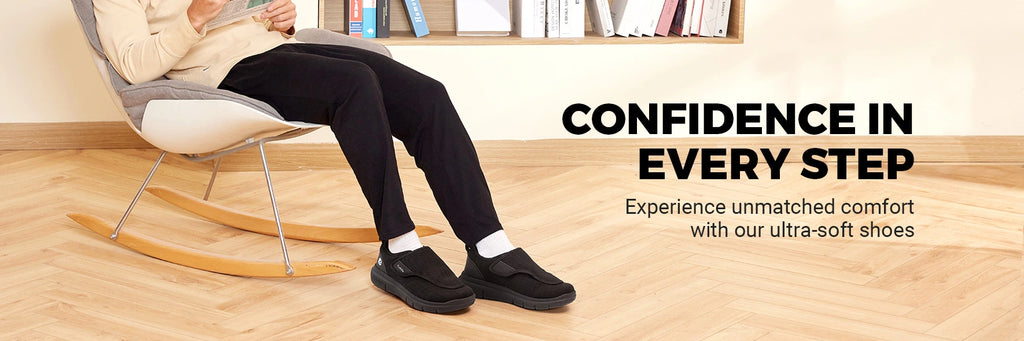
For everyday walking, consider the FitVille Women's Rebound Core V9 as a wide toe box option. Its product page identifies artificial suede and mesh, so do not apply natural-leather stretching advice to it. Select the intended width using the model's chart.
FAQ
How much wider can a shoe stretcher make shoes?
The change depends on construction and condition. Expect only a possible modest adjustment; no tool can guarantee an extra width category.
Can thick socks stretch shoes?
They increase pressure inside the shoe and may make a tight pair more uncomfortable. Do not use your feet to force a painful stretch.
Should I remove the insole for extra width?
Only if the footwear is intended for a compatible replacement setup. Removing cushioning to tolerate a narrow shoe changes more than width.
Decide before you alter
If the shoe is close to fitting and has one small tight area, ask about a gentle adjustment. If your whole forefoot feels squeezed, start with a width exchange.
Shop Fresh Picks and use code AFS25 for 25% OFF sitewide
References
- Material-specific break-in and gentle stretching guidance. Clarks
- Adult shoe fit, widths and materials. Clarks
- FitVille Women's Rebound Core V9 specifications. FitVille
Next read: How to Stretch Out Shoes for Wide Feet · How to Lace Shoes for Wide Feet




