


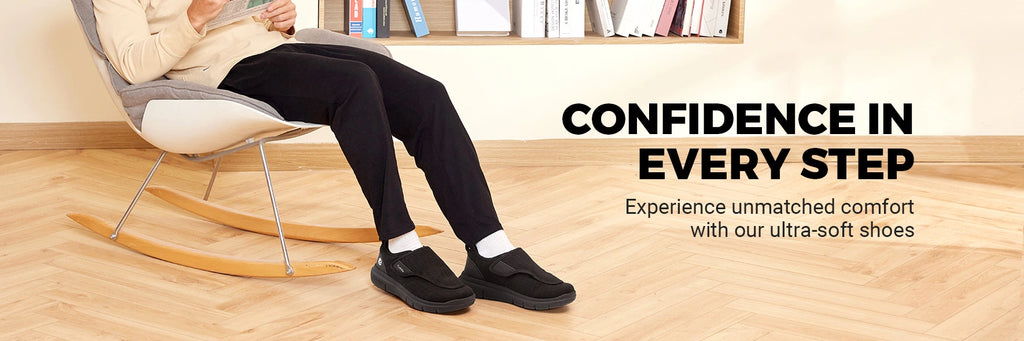
Choosing Footwear for Frequent Indoor-Outdoor Transitions
If you move between indoors and outdoors, consider floors, weather and activities through a typical day. One shoe may be a compromise, but no outsole suits every surface. Prioritize secure fit, manageable care and workplace requirements.
Compare surfaces
Indoor floors may be smooth and dry, while outdoor paths may be wet, rough or sloped. Aggressive lugs can feel different on tile; smoother soles may not suit loose ground. Check intended use and tread wear. Follow workplace specifications where required.
Plan changing conditions
Consider drying, cleaning and whether changing shoes is practical. A second pair may suit different tasks. Try footwear on a safe surface and confirm heel security.
A practical fitting checklist
| Check | What to observe | Reconsider when |
|---|---|---|
| Position | Device or feature sits as instructed | It rocks, shifts or presses at an edge |
| Space | Toe, instep and heel room remain | The foot is lifted or pushed forward |
| Retention | Shoe holds foot securely | Closure must be painfully tight |
| Movement | Pair behaves as intended for use | Pain or instability appears |
A shoe comfortable on a dry office floor may not suit a wet loading area.
Bring the exact shoe, insert and usual socks to a qualified fitter when a prescribed device is involved. Do not change or trim a prescribed device to make an uncertain combination fit. Record the model, size and width so that you can compare the same setup consistently. Test both shoes on the same clean, level indoor route. Change one fit variable at a time, and check the maker's current instructions before relying on a feature name.
For a useful comparison, change one feature at a time and keep socks, route and pace consistent. Note where the shoe contacts the foot, whether the heel stays in place and how the sole moves through a step. Product names and category labels are starting points, not measurements. If fit changes during the day, record when it happens. Stop a trial if it creates pain or instability, and ask a qualified fitter or clinician about persistent concerns.
FitVille options to assess
The following current FitVille models are examples to discuss during a fitting, not claims of compatibility with a prescribed orthotic, foot plate or lift. Confirm the complete combination before use. Product selectors and availability can change.

FitVille Women's Rebound Core V9
Review the exact model and current features. No shoe feature guarantees suitability for every person or condition; compare intended use, fit and manufacturer guidance.

FitVille Men's EasyTop Wings V2
Review the exact model and current features. No shoe feature guarantees suitability for every person or condition; compare intended use, fit and manufacturer guidance.
FAQ
Are all-terrain shoes ideal for every floor?
No. Tread and rubber behave differently across surfaces.
Can “slip resistant” be relied on everywhere?
Check its test, intended use and employer requirements.
Should I keep using a combination that creates new pain?
Stop the trial and ask the prescribing clinician or qualified fitter. A product label cannot replace individual assessment.
Recommended reading
How to Buy Shoes for Wide Feet
Related shoe-fit guidance from FitVille.
How to Measure Wide Feet for Shoes
Related shoe-fit guidance from FitVille.
How to Choose Walking Shoes for Your Foot Shape 2026
Related shoe-fit guidance from FitVille.
Next steps
Use these checks to prepare questions for your fitter. Explore FitVille Fresh Picks for current footwear selections. No specific model is represented as medically compatible.




