


FitVille Women's Rebound Core V9
Use the current product images and size selector to compare this walking model. Confirm the care instructions for your exact pair before choosing cleaners or accessories.
View current options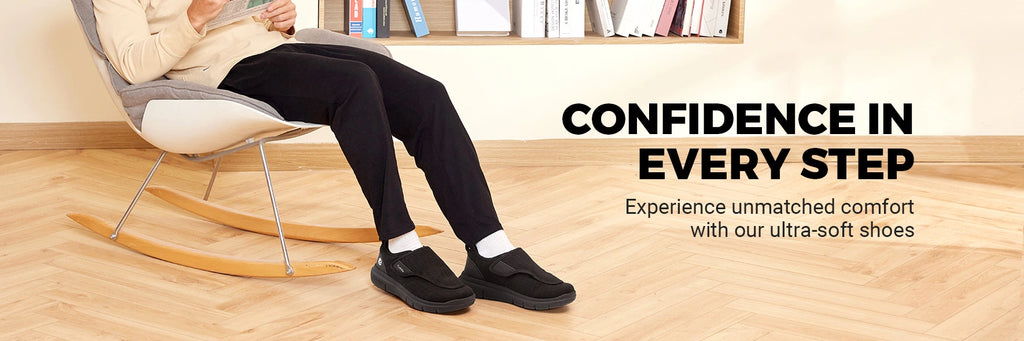
Choose flat or round replacement laces by checking the eyelets, tongue, handling and knot in the actual shoe. Shape alone does not guarantee a secure knot or comfortable fit. Thickness, surface finish, flexibility and length also matter. A replacement that resembles the original is a useful baseline, especially when the shoe uses small loops or a specialized closure.
Look at the entire lace path, including fabric loops and the keeper on the tongue. Flat laces have a ribbon-like cross-section and can twist as they pass through narrow openings. Round laces have a cord-like cross-section, but their diameter still needs to suit the hardware. Compare the original against the candidate in your hand. If the replacement only passes when pulled hard, choose a different size or ask the shoe maker which specification is suitable.
Try tying a bow with the candidate before committing to a full change. Notice whether you can pinch, pull and release it comfortably. A smooth finish may handle differently from a textured weave, even when both laces have the same shape. Waxed, elastic and ordinary woven laces also behave differently. Avoid choosing only by color or assuming a shape is inherently easier for everyone. The practical question is whether you can manage the lace repeatedly without excessive force.
Replace both laces with the same type and follow the original route. Wear your usual socks, center the tongue and distribute tension across the crossings. Walk briefly indoors and inspect the knot and tongue position afterward. Compare another lace with the same approximate length if you want to isolate shape. Changing shape, elasticity, route and length together makes it difficult to identify which change affected comfort. Stop if a lace digs in or the shoe becomes difficult to release.
A new lace cannot replace a damaged eyelet, torn tongue loop or unsuitable shoe shape. If every candidate requires extreme tightening to hold the heel, reassess the footwear. If a knot repeatedly loosens, check the tying method and surface finish rather than declaring all round or flat laces unsuitable. For example, a broad flat lace may look appealing but bunch inside a small keeper. A narrower compatible lace can make adjustment simpler without changing the shoe size.
| What to check | Next step |
|---|---|
| Eyelet passage | Tips and lace move without forcing |
| Tongue keeper | Lace lies without bunching |
| Bow | Can be tied and released comfortably |
| Short walk | No new pressure or loosening |
No universal guarantee follows from shape. Weave, coating, knot and how the lace is tightened all affect the finished setup.
Often a compatible replacement is possible, but inspect the route and test fit. Check with the maker for specialized systems.
They change how tension behaves. Assess entry, heel retention and release separately instead of treating them as ordinary laces in a different shape.
Maintaining a usable pair and shopping for another are separate decisions. If a replacement is appropriate, start with a fresh fit check. These two FitVille models are browsing options; the care and accessory advice above is not a claim that either model accepts every treatment or part.
Use the current product images and size selector to compare this walking model. Confirm the care instructions for your exact pair before choosing cleaners or accessories.
View current options
Consider this strap-fastened model if you are comparing alternatives to laces. Try the opening, strap overlap and heel hold rather than choosing from a closure label alone.
View current optionsExplore the related FitVille guide.
Explore the related FitVille guide.
Explore the related FitVille guide.
Keep the model details and your observations together so that a fitter, seller or repairer can assess the exact pair. For current footwear choices, explore FitVille Fresh Picks.

🔥2026 Black Friday
🔥Rebound Nova 🔥Rebound Core Exova Hiking Shoes Winter Shoes New Arrivals Tennis Golf Shoes Diabetic Shoes Slip On Cloud Cushioning Shoes Hiking Adjustable Strap Dress Shoes Socks Insoles Return diabetic shoes pickleball shoes diabetic shoes for women extra wide shoes diabetic shoes for men wide shoes for women 4e wide shoes best running shoes for men wide golf shoes 6e wide shoes


