


FitVille Women's Rebound Core V9
Use the current product images and size selector to compare this walking model. Confirm the care instructions for your exact pair before choosing cleaners or accessories.
View current options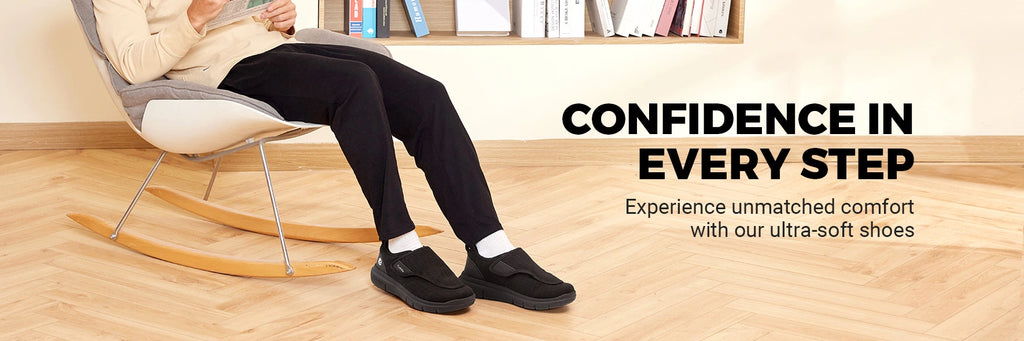
Choose a protector spray for mixed-material shoes only after checking every upper material and the footwear maker's care instructions. A product labeled for leather is not automatically suitable for mesh, suede, coatings or decorative trim on the same shoe. Confirm compatibility and the required application method. A surface treatment does not turn an ordinary sneaker into a waterproof boot.
Read the product details and inspect the shoe for fabric, smooth leather, suede-like panels, synthetic overlays and coated trim. Do not identify a material by appearance alone if the listing is unclear. Ask the maker when necessary. Include any waterproof membrane in your questions, because a care product may have separate compatibility instructions. Photograph the label and the cleaner or protector you are considering so you can compare the exact wording instead of relying on a broad category name.
Check the approved materials, exclusions, ventilation directions and whether the shoe should be damp or dry during application. Those instructions vary between products. Nikwax offers a treatment specifically for fabric-and-leather combinations, illustrating why the combination matters; that does not establish suitability for every sneaker. Avoid substituting a wax, conditioner or general household water repellent for a footwear treatment without guidance. Also confirm whether the product is intended to clean, protect or condition, since those are different jobs.
Follow the label's small-area testing instructions and let the sample dry before evaluating color and texture. Use an inconspicuous area that represents the material you plan to treat. With multiple materials, one successful test does not establish compatibility with every panel. Keep the spray away from outsoles and other areas unless the instructions explicitly require application there. Apply only in the setting and with the precautions specified on the label, and observe its drying or curing time.
Surface beading tells you something about the outer finish, not the entire shoe's ability to exclude water. Openings, seams and construction still matter. Check the footwear's stated use before depending on it for prolonged rain. If a treatment changes the finish or leaves residue, stop and consult the product supplier before adding more. For example, a mixed upper with a delicate overlay needs more than a generic instruction to spray all fabric shoes; the least compatible component may determine the care method.
| What to check | Next step |
|---|---|
| Materials known | Check every affected panel |
| Label compatibility | Match product to the complete upper |
| Test area dried | Assess color and texture |
| Expected use | Keep original footwear limitations in mind |
Follow that product's instructions. There is no single application rule for every treatment.
Some are formulated for combinations, but confirm the exact materials and any exclusions on both labels.
No. A surface finish does not establish that openings, seams or the overall construction exclude water.
Maintaining a usable pair and shopping for another are separate decisions. If a replacement is appropriate, start with a fresh fit check. These two FitVille models are browsing options; the care and accessory advice above is not a claim that either model accepts every treatment or part.
Use the current product images and size selector to compare this walking model. Confirm the care instructions for your exact pair before choosing cleaners or accessories.
View current options
Consider this strap-fastened model if you are comparing alternatives to laces. Try the opening, strap overlap and heel hold rather than choosing from a closure label alone.
View current optionsExplore the related FitVille guide.
Explore the related FitVille guide.
Explore the related FitVille guide.
Keep the model details and your observations together so that a fitter, seller or repairer can assess the exact pair. For current footwear choices, explore FitVille Fresh Picks.

🔥2026 Black Friday
🔥Rebound Nova 🔥Rebound Core Exova Hiking Shoes Winter Shoes New Arrivals Tennis Golf Shoes Diabetic Shoes Slip On Cloud Cushioning Shoes Hiking Adjustable Strap Dress Shoes Socks Insoles Return diabetic shoes pickleball shoes diabetic shoes for women extra wide shoes diabetic shoes for men wide shoes for women 4e wide shoes best running shoes for men wide golf shoes 6e wide shoes


