


Extra Wide Sandals for Swollen Feet: A Complete Comfort & Fit Guide
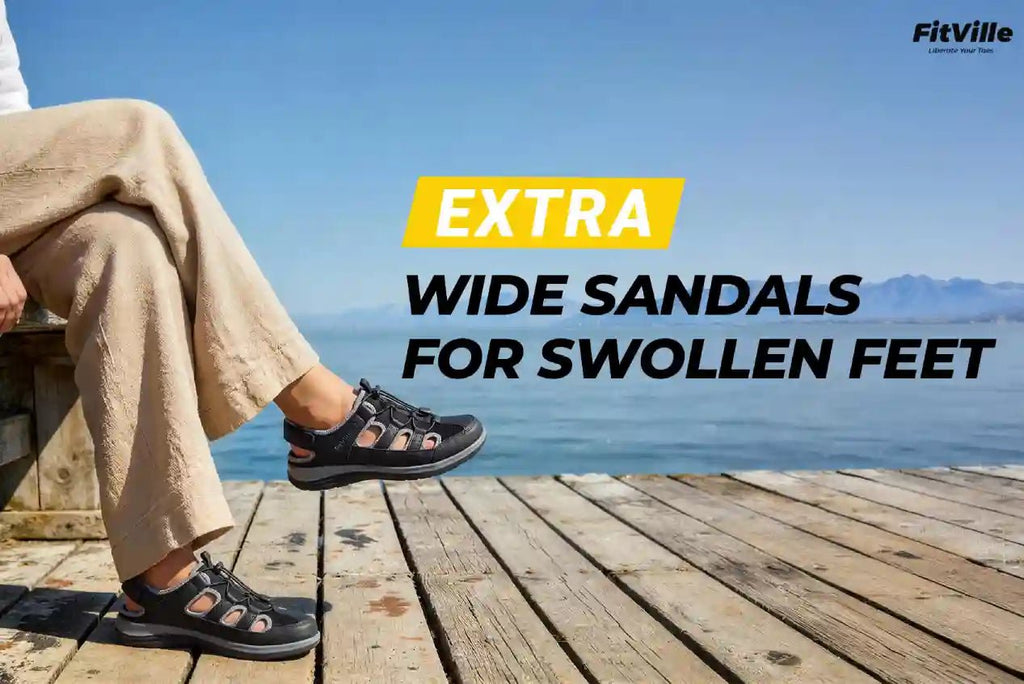
Swollen feet are more common than most people realize. They can be caused by long hours of standing, hot weather, pregnancy, long-haul flights, or underlying health conditions such as edema, diabetes, arthritis, venous insufficiency, or poor circulation [²]. In medical terms, this swelling is often referred to as peripheral edema — a buildup of fluid in the tissues of the lower limbs that causes visible puffiness, tightness, and discomfort [⁴]. When feet swell, regular shoes suddenly feel tight, straps dig in, and every step becomes uncomfortable — turning simple daily activities into a struggle.
This is where the right footwear makes a meaningful difference. Extra wide sandals for swollen feet are designed to provide maximum space and comfort, giving your feet room to expand naturally without pressure points, pinching, or restriction. Whether your swelling is occasional or a daily reality, a well-designed pair of wide-fit sandals can restore mobility, reduce pain, and make walking feel natural again.
In this guide, we'll cover the medical context behind foot swelling, what to look for in the right sandals, the different types that work best, and a detailed look at one of FitVille's most popular options — the FitVille Women's FlexiWalk Sandal V3.
Why Feet Swell: Understanding the Causes
Before choosing the right footwear, it helps to understand why feet swell. Podiatrists and medical experts commonly cite the following causes [²][⁴]:
- Prolonged standing or sitting — Gravity causes fluid to pool in the lower extremities, especially after long flights, desk work, or retail/nursing shifts.
- Hot weather — Blood vessels dilate to release heat, which can cause temporary fluid retention in the feet and ankles.
- Pregnancy — Hormonal changes and increased blood volume commonly cause swelling, particularly in the third trimester.
- Medical conditions — Edema, diabetes, heart failure, kidney disease, lymphedema, and venous insufficiency can all lead to chronic swelling.
- Medications — Certain blood pressure drugs, steroids, and hormonal therapies list swelling as a side effect.
- Injury or inflammation — Sprains, fractures, or arthritis flare-ups can cause localized swelling.
- Age-related changes — Older adults often experience reduced circulation and slower fluid drainage [⁵].
While most everyday swelling is harmless and temporary, sudden, severe, or one-sided swelling should always be evaluated by a medical professional [²].
What to Look For in Extra Wide Sandals for Swollen Feet
Not every "wide" sandal is truly built for swollen feet. The American Podiatric Medical Association (APMA) recommends prioritizing fit, support, and adjustability over style when choosing footwear for foot health concerns [³]. Here are the features that matter most:
Extra Wide Fit Shoes (4E–6E) — A genuine extra-wide last (shoe form) reduces pressure on the sides of the foot and leaves room for swelling to occur throughout the day. Standard "wide" (D or 2E for women) typically isn't enough for moderate-to-severe swelling. For many people with edema, anything narrower than 4E will feel restrictive by afternoon.
Adjustable Straps — Feet often swell more as the day progresses — research suggests foot volume can increase by 5–8% between morning and evening. Adjustable straps allow the sandals to accommodate changes in foot size throughout the day. Look for hook-and-loop (Velcro) closures or buckle systems across the forefoot, instep, and heel for the most flexibility.
Soft Cushioned Footbed — Soft and stretchable materials help reduce pressure on swollen or sensitive feet. A plush, contoured footbed disperses weight evenly so no single area bears too much load — which is especially important for diabetic feet, where pressure points can develop into ulcers [³].
Arch Support — Proper arch support improves walking stability and reduces fatigue in the feet, knees, and lower back — especially important when swelling changes your natural gait. Poor arch support over time is linked to plantar fasciitis, heel pain, and compensatory knee pain.
Non-Slip Outsole — A grippy rubber or textured EVA outsole provides traction on both indoor and outdoor surfaces. This matters more when swelling affects balance, which is a real fall risk for older adults [⁵].
Open & Breathable Design — Breathable designs help keep feet cool and reduce moisture build-up in warm conditions. Open-toe silhouettes and perforated or moisture-wicking linings help regulate temperature — and since heat itself is a swelling trigger, cooler feet can mean less swelling overall.
Wide Footbed Platform — Wide footbeds ensure better stability and prevent tightness or discomfort, giving the entire foot — not just the toes — room to rest naturally. A narrow footbed on a "wide" sandal is a common design flaw; the entire platform should match the foot's width.
Shock Absorption — Cushioned soles provide shock absorption and support for prolonged walking or standing, a must-have for anyone on their feet for hours at a time. Look for EVA or high-rebound foam midsoles, which outperform flat rubber soles for long-wear comfort.
Removable Insoles — If you use custom orthotics or have specific foot conditions, a removable insole lets you swap in what works best for your feet — a feature the APMA specifically recommends for people with foot pathologies [³].
FitVille Best Extra Wide Sandals for Swollen Feet: FlexiWalk Sandal V3
About FitVille — FitVille is a footwear brand dedicated to wide-fit and comfort shoes, designed for people who struggle with standard sizing — including those with wide feet, bunions, plantar fasciitis, diabetic concerns, or chronic swelling. Every FitVille design is built around real foot-shape data, with an emphasis on roomy toe boxes, supportive cushioning, and adjustable fits [¹].
The FitVille Women's FlexiWalk Sandal V3 is one of FitVille's most recommended sandals for swollen feet. It's made for the days you're always on your feet — comfortable, easy, and steady, so walking feels natural again.
Key Features
- Wide Toe Box — Generous forefoot space accommodates swelling, bunions, and wider foot shapes without squeezing.
- Fast-Pull Lace System — A quick-adjust lace setup that lets you tighten or loosen in seconds, perfect for feet that change size throughout the day.
- Adjustable Heel Strap — Locks the heel in place securely while allowing personalized fine-tuning.
- ArchCore™ Insole — Breathable, moisture-wicking insole that delivers targeted arch support and impact absorption to protect your feet, knees, and lower back.
- High-Rebound EVA Midsole — Absorbs shock and returns energy with each step, reducing fatigue during long hours of standing or walking.
- EVA Outsole with Rubber Inserts — Lightweight yet grippy, offering reliable traction on varied surfaces.

Why It Works for Swollen Feet
- All-Day Cushioning & Rebound: The high-elastic EVA sole absorbs shock and delivers responsive rebound, reducing fatigue during prolonged wear [¹].
- ArchCore™ Arch Support: Provides targeted support while wicking moisture — helpful for feet prone to swelling in warm conditions.
- Quick & Adjustable Fit: Fast-pull laces combined with the adjustable heel strap allow easy on/off and a secure, personalized fit for different foot shapes and swelling levels — directly addressing the APMA's recommendation for adjustable footwear in patients with variable foot volume [³].
Types of Sandals for Swollen Feet
Different swelling patterns and foot concerns call for slightly different styles. Here's a quick comparison:
| Sandal Type | Best For | Key Features |
|---|---|---|
| Adjustable Strap Sandals | Noticeable daily swelling | Multiple adjustable straps for custom fit |
| Orthopedic Sandals | People with foot conditions | Strong support, superior cushioning |
| Wide Fit Comfort Sandals | Wide feet or high insteps | Extra room, no pinching |
| Slip-On Sandals | Those with limited mobility | Easy on/off, no bending required |
Most people with swollen feet do best with a hybrid style — a wide-fit sandal with multiple adjustable straps and built-in orthopedic-style support, which is exactly the category the FlexiWalk V3 fits into.
Extra Wide Sandals vs. Orthopedic Shoes for Swollen Feet
A common question: should you choose extra wide sandals or full orthopedic shoes when dealing with swollen feet?
Extra wide sandals are ideal for warmer months, mild-to-moderate swelling, and everyday casual wear. Their open design allows airflow, adjustable straps accommodate size fluctuations, and they're typically lighter and easier to slip on than closed footwear. These sandals are suitable for people with medical conditions such as edema or foot swelling, especially when worn at home, for light errands, or in hot weather.
Orthopedic shoes, on the other hand, offer more structured support, full foot coverage, and are often prescribed by podiatrists for serious medical conditions like severe diabetic neuropathy, significant gait abnormalities, chronic instability, or post-surgical recovery [³]. They provide more protection but can feel heavier and warmer — and for many people, they're overkill for everyday use.
The key distinction: sandals manage swelling through space, adjustability, and breathability, while orthopedic shoes manage underlying medical conditions through structure and stability. For most people with occasional or moderate swelling, well-designed extra wide sandals like the FlexiWalk V3 offer the right balance of support, adjustability, and breathability without the bulk of full orthopedic footwear.
If you have diabetes, peripheral neuropathy, or have been prescribed medical-grade footwear, always consult your healthcare provider before switching to sandals.
How to Choose Sandals for Swollen Ankles: Fitting Tips
Podiatrists consistently recommend these practical fitting strategies [³][⁵]:
- Try sandals on when your feet are slightly swollen — typically late afternoon or evening — to get a realistic fit.
- Prioritize multi-point adjustability — look for sandals with straps across the forefoot, instep, and heel for the most customizable fit.
- Check the outsole grip — swelling can affect balance, so a non-slip sole is essential for safety, especially for seniors at fall risk [⁵].
- Choose styles with removable insoles if you have specific foot conditions, so you can insert custom orthotics when needed.
- Measure both feet — swelling is often asymmetrical, so always fit to the larger foot.
- Leave roughly a thumb's width of space at the toe for natural expansion.
- Inspect your feet daily if you have diabetes or neuropathy — sandals can expose feet to more debris and friction, so check for any red spots or blisters [³].
- Replace sandals regularly — cushioning and support degrade with use; most comfort sandals lose significant cushioning after 300–500 miles of wear.
Ready to Give Your Feet the Space They Deserve?
Choosing extra wide sandals can significantly improve comfort, mobility, and daily foot health. The right pair doesn't just accommodate swelling — it actively reduces pressure, supports natural movement, and helps you stay on your feet longer without pain.
If you're dealing with swollen feet, edema, or simply need more room than standard footwear offers, extra wide sandals with adjustable fits and supportive cushioning are one of the easiest upgrades you can make to your daily comfort. It's a small change that makes a big difference — fewer painful evenings, more confidence when you're out and about, and renewed freedom to do the things you enjoy without your feet holding you back.
Comfort isn't a luxury when you're living with swelling — it's a necessity. And with purpose-built options like the FitVille FlexiWalk V3, real relief is more accessible than ever.
Reference Note
The information in this article is compiled from FitVille's product documentation and reputable medical and health sources, including the Mayo Clinic, the American Podiatric Medical Association (APMA), Harvard Health Publishing, and the National Institute on Aging. This guide is intended for general informational and educational purposes only and does not constitute medical advice. If you are experiencing persistent, sudden, or severe foot or ankle swelling — or if you have diabetes, heart disease, kidney disease, or other chronic conditions — please consult a licensed healthcare professional before making changes to your footwear or treatment plan.
References
- FitVille — Women's FlexiWalk Sandal V3 product specifications and feature documentation. thefitville.com
- Mayo Clinic. "Swollen Feet and Ankles: Causes and Treatment." mayoclinic.org
- American Podiatric Medical Association (APMA). "Footwear Recommendations for Edema and Swelling." apma.org
- Harvard Health Publishing. "What to Do About Swollen Ankles and Feet." health.harvard.edu
- National Institute on Aging. "Foot Care for Older Adults." nia.nih.gov
About FitVille Footwear
Just Follow us on LinkedIn, Facebook, YouTube, Instagram, RSS feed and Pinterest to catch our brand news.





