


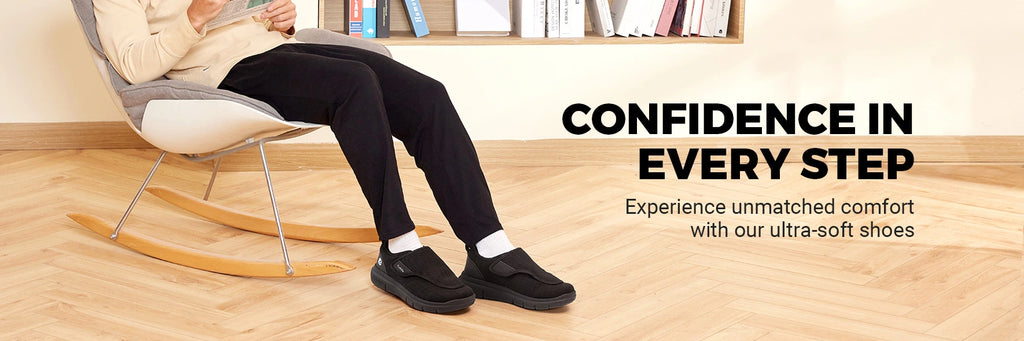
FAQs: What to Look for in Shoes for Bunions
Finding the right shoes for Bunions can make a significant difference if you have bunions. While shoes can't correct the underlying deformity, the right pair can reduce pressure, relieve pain, and make everyday activities much more comfortable.
If you're shopping for bunion-friendly footwear, here's everything you should know.
Why are the right shoes important for bunions?
Bunions develop when the joint at the base of the big toe gradually moves out of alignment, causing a noticeable bony bump. Shoes that are too narrow or tight can increase pressure on the joint, leading to pain, swelling, and irritation.
Choosing shoes designed with comfort and support in mind can help:
- Reduce pressure on the bunion
- Minimize friction and rubbing
- Improve walking comfort
- Lower the risk of blisters and calluses
- Support healthier foot alignment
Although proper shoes won't eliminate a bunion, they can make daily life much more comfortable.
Is a wide toe box the most important feature?
Yes. A wide toe box is one of the most important features to look for.
A roomy toe box allows your toes to spread naturally instead of being squeezed together. This reduces pressure directly on the bunion and helps prevent rubbing against the inside of the shoe.
The extra space can also improve stability and overall comfort during walking.
Should I choose wide fit shoes?
In many cases, yes.
Wide fit shoes provide additional room across the forefoot, making them an excellent choice for people with:
- Bunions
- Naturally wide feet
- Swollen feet
- Hammertoes
- Arthritis
However, the shoe should still fit securely around the heel to prevent slipping.
What upper material is best?
Soft and flexible materials are usually the most comfortable.
Look for shoes made with:
- Soft leather
- Stretch knit fabric
- Breathable mesh
- Flexible synthetic materials
These materials conform better to your foot shape and reduce pressure on sensitive areas.
Avoid stiff materials that may rub directly against the bunion.
How important is cushioning?
Very important.
A well-cushioned midsole helps absorb impact while walking, reducing stress on both the forefoot and the bunion joint.
People who spend long hours walking or standing often benefit from shoes with generous cushioning.
Do shoes need good arch support?
Yes.
Proper arch support helps distribute body weight more evenly across the foot instead of concentrating pressure on the big toe joint.
Good arch support may also improve overall foot alignment and reduce fatigue during long periods of walking.
Are adjustable closures helpful?
Absolutely.
Shoes with laces or hook-and-loop straps allow you to customize the fit throughout the day.
They're especially useful if:
- Your feet swell during the day
- One foot is slightly larger than the other
- You need extra room around the bunion
A customizable fit can improve both comfort and stability.
What heel height is best for bunions?
Low heels or flat shoes are generally the best option.
High heels shift more body weight onto the front of the foot, increasing pressure on the bunion and often making symptoms worse.
For everyday wear, look for shoes with:
- Low heels
- Stable platforms
- Good shock absorption
Should the shoes have a flexible sole?
Yes—but not too flexible.
A shoe should bend naturally at the ball of the foot while still providing enough structure to support your stride.
An overly stiff sole may feel uncomfortable, while an extremely soft sole may not provide enough stability.
A balance of flexibility and support is ideal.
What shoes should people with bunions avoid?
Try to avoid:
- Pointed-toe shoes
- Narrow dress shoes
- High heels
- Tight fashion sneakers
- Shoes with stiff uppers
- Shoes that compress the forefoot
These styles increase pressure on the bunion and may worsen pain over time.
Should I buy a larger shoe size?
Not necessarily.
Instead of sizing up, choose shoes that match the length of your foot while offering sufficient width and toe room.
Shoes that are too long may cause your foot to slide forward, creating additional friction and reducing stability.
Are orthopedic shoes better?
They can be.
Many orthopedic shoes combine several bunion-friendly features, including:
- Wide toe boxes
- Extra-wide sizing
- Supportive arch designs
- Shock-absorbing cushioning
- Adjustable closures
For people with moderate to severe bunions, orthopedic shoes may provide greater comfort than standard footwear.
Can the right shoes prevent bunions from getting worse?
While shoes cannot stop bunions completely, they can reduce many of the factors that contribute to pain and irritation.
Proper footwear helps:
- Reduce mechanical pressure
- Minimize friction
- Improve comfort
- Support more natural toe positioning
Combined with other conservative treatments, appropriate shoes may help slow symptom progression.
Final verdict: What should you look for in shoes for bunions?
The best shoes for bunions combine comfort, support, and plenty of room for your toes.
Prioritize shoes with:
- A wide toe box
- Wide or extra-wide fit if needed
- Soft, flexible upper materials
- Good cushioning
- Proper arch support
- Adjustable closures
- Low heels or flat, stable soles
By choosing footwear designed to reduce pressure on the big toe joint, you can improve everyday comfort and make walking, standing, and other daily activities much easier.




