


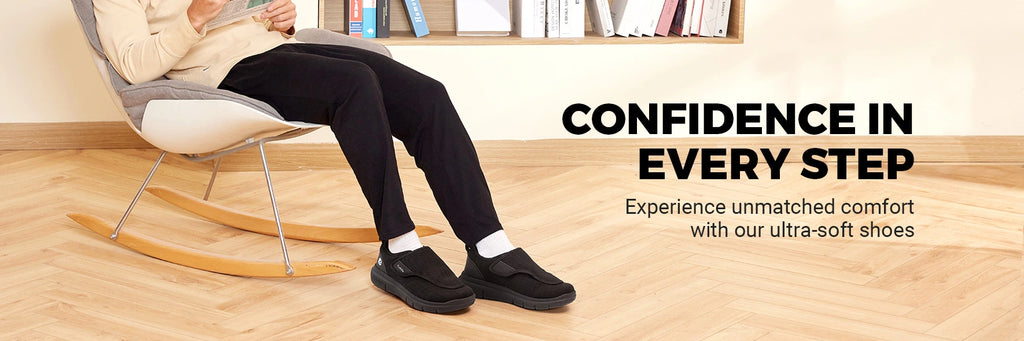
FAQs for Australians: What Type of Shoes Should Diabetics Wear?
Foot health is a top priority for Australians living with diabetes. Wearing the right type of shoes can prevent injuries, ulcers, and long-term complications. Here’s a clear FAQ guide on choosing diabetic shoes.
1. Why is shoe choice important for diabetics?
Diabetes can cause:
-
Neuropathy (loss of sensation), increasing the risk of unnoticed injuries
-
Poor circulation, slowing healing
-
Foot deformities like bunions or hammertoes
Proper shoes reduce pressure, friction, and the risk of infections, keeping your feet healthy.
2. What are the key features of diabetic shoes?
Diabetic-friendly shoes should have:
-
Wide toe box – prevents crowding and pressure on toes
-
Extra depth – accommodates orthotics or swelling
-
Soft, flexible materials – reduces friction and irritation
-
Cushioned insoles – provides shock absorption
-
Non-slip soles – helps prevent falls and injuries
-
Adjustable closures – Velcro or laces for a secure fit
3. Should diabetics wear custom-made shoes?
-
Custom-made shoes are recommended for people with severe foot deformities or high risk of ulcers.
-
Standard extra-depth diabetic shoes may be sufficient for people with mild foot issues or preventive needs.
4. Are orthotics or insoles necessary?
-
Many diabetic shoes allow for removable orthotics, which help support arches, relieve pressure points, and correct alignment.
-
Your podiatrist can recommend the right inserts based on your foot structure and medical needs.
5. Can diabetics wear sandals or open shoes?
-
Only if the sandals are medically approved for diabetic use and have protective features.
-
Avoid flip-flops or thin-soled sandals, which increase the risk of cuts and burns.
6. How should shoes fit?
-
There should be about a thumb’s width between the longest toe and the front of the shoe.
-
Shoes should fit snugly around the heel and midfoot without pressure points.
-
Walk in the shoes before purchasing to check comfort and support.
7. When should shoes be replaced?
-
Replace shoes when the sole wears out, the shape changes, or comfort is lost.
-
Medicare in Australia generally allows one pair of therapeutic shoes per year for eligible patients.
8. Tips for choosing the best diabetic shoes
-
Consult a podiatrist for advice on the right type.
-
Check for approved brands and suppliers that meet Medicare requirements.
-
Always wear shoes both indoors and outdoors if you have neuropathy or foot complications.
Bottom Line:
Australians with diabetes should prioritize wide, extra-depth, cushioned, and supportive shoes to protect their feet. Proper footwear, combined with daily foot care, helps prevent injuries and long-term complications.




