


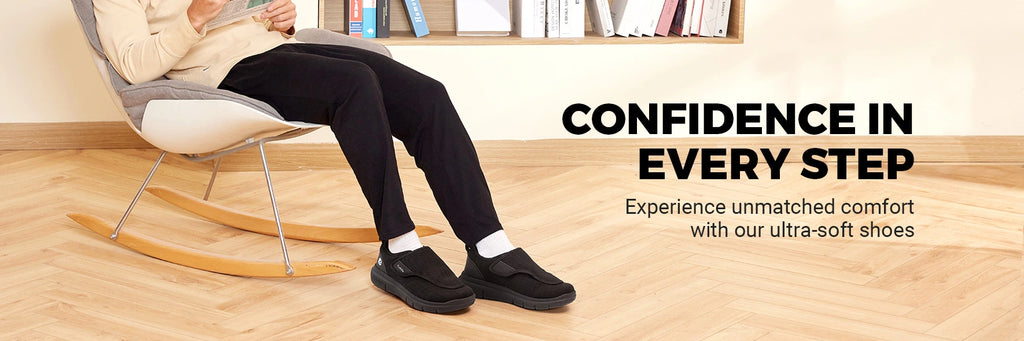
FAQs for Australians: What’s the Difference Between Diabetic Shoes and Regular Shoes?
For Australians managing diabetes, foot health is crucial. The right footwear can prevent pain, injuries, and complications like ulcers or infections. But how exactly do diabetic shoes differ from regular shoes? Here’s a handy FAQ to guide you.
1. What Are Diabetic Shoes?
Diabetic shoes are specially designed footwear that provides extra protection, support, and comfort for people with diabetes. They aim to reduce the risk of foot injuries, pressure points, and complications that can arise from reduced circulation or nerve damage (neuropathy).
Key features often include:
-
Extra depth and wide toe boxes to prevent pinching or rubbing
-
Soft, cushioned interiors to reduce pressure points
-
Supportive insoles to improve foot alignment
-
Non-slip, shock-absorbing soles
-
Minimal seams to avoid blisters
2. How Are They Different from Regular Shoes?
Regular shoes are typically designed for style or general comfort, without consideration for specific foot health issues. Differences include:
| Feature | Diabetic Shoes | Regular Shoes |
|---|---|---|
| Toe Box | Extra wide/deep for swelling, bunions, or orthotics | Standard width, may be narrow |
| Cushioning | Thick, shock-absorbing, pressure-relieving | Standard cushioning, mostly for comfort |
| Seams & Lining | Minimal seams, soft lining to avoid irritation | Seams may cause rubbing or blisters |
| Support | Arch and heel support to prevent alignment issues | Varies; often minimal support |
| Adjustability | Velcro straps or elastic laces for swelling | Fixed laces or slip-on designs |
| Foot Protection | Extra padding to protect against ulcers and injuries | Not specifically designed for foot health risks |
3. Who Should Wear Diabetic Shoes?
Diabetic shoes are recommended for Australians who:
-
Have diabetes-related neuropathy (loss of sensation in the feet)
-
Experience poor circulation or swelling in the feet
-
Are prone to foot ulcers, blisters, or calluses
-
Need extra support and cushioning for long walks or standing
Even if you don’t currently have foot issues, diabetic shoes can be a proactive choice to prevent complications.
4. Can Non-Diabetic Australians Wear Diabetic Shoes?
Absolutely. Diabetic shoes are not just for people with diabetes—they are also ideal for anyone who prioritises comfort, support, and foot protection. They can benefit people with:
-
Arthritis or joint pain
-
Bunions, hammertoes, or other foot deformities
-
Jobs requiring long periods of standing or walking
5. How Can I Tell If a Shoe Is Suitable for Diabetes?
Look for shoes that:
-
Have a wide and deep toe box
-
Include removable insoles for orthotics
-
Feature cushioned, non-slip soles
-
Are soft and seamless inside
-
Allow for swelling adjustments (Velcro straps or elastic laces)
Consulting a podiatrist or diabetes educator in Australia can also help ensure you choose the right shoes for your foot health.
6. Do Diabetic Shoes Look Different?
Modern diabetic shoes are available in a variety of styles—casual, athletic, and even dress shoes. They no longer need to look “medical” or bulky. Many designs are indistinguishable from regular footwear but still maintain essential protective features.
7. Where Can Australians Buy Diabetic Shoes?
Diabetic shoes can be purchased through:
-
Podiatrists and orthotic specialists
-
Footwear retailers specialising in comfort and health shoes
-
Certain pharmacies or medical supply stores
It’s important to try shoes on and check the fit, especially if you have wide or swollen feet. Some Australian podiatrists may also prescribe shoes or provide subsidies under healthcare plans.
Key Takeaway
Diabetic shoes are all about protection, support, and comfort. They are designed to prevent injuries, reduce pressure, and accommodate foot changes, whereas regular shoes focus more on style and general comfort. For Australians with diabetes—or anyone wanting superior foot care—diabetic shoes can be a smart, preventive choice.




