


FAQs for Australian: What Type of Shoes Are Best for Diabetics?
Foot health is one of the most important — and most overlooked — parts of diabetes care. In Australia, where people are on their feet for work, walking, and active outdoor lifestyles, choosing the right footwear is essential. The wrong shoes can lead to blisters, pressure points, ulcers, infections, and long-term complications, especially for those with neuropathy or poor circulation.
So what type of shoes are best for diabetics? This guide breaks down exactly what to look for and why it matters.
Why Diabetic-Friendly Shoes Matter
Diabetes can affect nerves, blood flow, and skin health in the feet. Even a small injury can escalate quickly if not protected properly. Diabetic-friendly shoes help prevent problems by offering:
-
Reduced pressure on sensitive areas
-
Better circulation
-
Improved balance and stability
-
Protection from friction, rubbing, and impact
-
Space for swelling, deformities, or orthotics
For Australians who walk long distances, deal with summer heat, or work on their feet all day, the right shoes can make daily life significantly more comfortable and safer.
The Best Types of Shoes for Diabetics
1. Extra-Wide and Roomy Shoes
A wide toe box and extra depth are essential. Diabetic-friendly shoes should not squeeze the toes or press on bunions and hammertoes. The extra depth also provides space for swelling, which is common in warm Australian climates.
2. Soft, Seamless Interiors
The inside of the shoe should feel smooth and gentle on the skin. No rough stitching, hard overlays, or tight internal structures. Seamless interiors help prevent blisters and friction that can lead to ulcers.
3. Adjustable Closure Shoes (Velcro or Lace-Up)
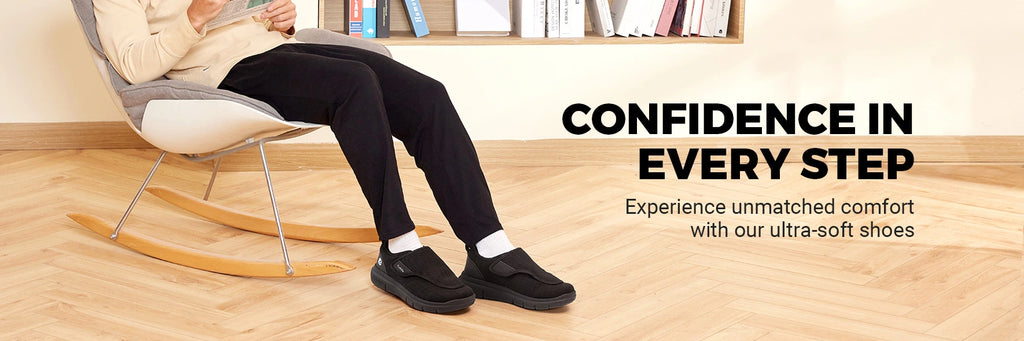
Adjustable fastenings make it easier to adapt to daily changes in foot size due to swelling. Velcro straps are particularly popular among older Australians because they’re easier to manage than laces.
4. Cushioned and Supportive Walking Shoes
Look for shoes with shock-absorbing midsoles, deep heel cushioning, and arch support. This reduces pressure on the heel and ball of the foot, which is especially helpful for people with neuropathy or fat-pad loss.
5. Breathable Shoes
Australia’s warm climate can increase sweat and moisture inside the shoe. Breathable materials like mesh or soft knit help keep feet dry, reducing the risk of fungal infections and skin irritation.
6. Slip-Resistant Shoes
Falls are a major risk for people with neuropathy, so a non-slip outsole is crucial. A good grip helps improve stability on wet paths, tiled floors, and uneven ground.
7. Orthotic-Friendly Shoes
Many Australians with diabetes use custom orthotics prescribed by a podiatrist. Shoes with removable insoles and deep footbeds allow orthotics to fit properly without crowding the foot.
8. Low-Heel, Stable Shoes
Avoid heels and elevated platforms. Diabetics should stick with flat or low-heel shoes that offer full contact with the ground. This improves alignment, reduces pressure points, and increases stability.
Types of Shoes That Work Best
Here are categories of shoes that typically work well for diabetics:
Walking Shoes
The most versatile choice for everyday wear. They offer cushioning, support, and stability — ideal for Australian lifestyle walking.
Orthopedic or Medical Shoes
Designed specifically for foot issues, these offer extra depth, adjustable fit, and high protection.
Running Shoes (With Support and Cushioning)
Running shoes can be excellent diabetic footwear as long as they have a wide toe box, soft interior, and removable insoles.
Diabetic-Specific Shoes
These are purpose-built for neuropathy, swelling, bunions, and sensitive skin. They typically include seamless interiors, padded linings, and stretch uppers.
Wide-Fit Sandals (Closed-Toe Preferred)
For hot Australian summers, breathable sandals with supportive soles and adjustable straps can work — but closed-toe designs provide better protection.
Shoes Diabetics Should Avoid
-
Narrow, pointed, or tight-fitting shoes
-
High heels or elevated platforms
-
Open-toe sandals or thongs that expose the foot
-
Shoes with stiff or rough interiors
-
Cheap, unsupportive flat shoes
-
Tight slip-ons without stretch or adjustability
These designs increase friction, pressure, and risk of injury.
Tips for Australians Choosing Diabetic-Friendly Footwear
-
Get your feet measured by a professional (size and width change over time).
-
Shop in the afternoon when swelling is most noticeable.
-
Look for brands offering wide, extra-wide, or ultra-wide options.
-
Check shoes regularly for signs of wear.
-
Replace shoes every 6–12 months, depending on use.
-
Always break in new shoes slowly to avoid irritation.
-
See a podiatrist if you have bunions, hammertoes, severe neuropathy, or recurring foot pain.
Final Thoughts
The best shoes for diabetics are those that protect, cushion, support, and fit comfortably without causing pressure or irritation. For Australians living with diabetes, choosing the right footwear isn’t just about comfort — it’s about preventing complications and protecting long-term health.
Whether you're walking to work, standing all day, or enjoying the outdoors, the right pair of diabetic-friendly shoes makes all the difference. Prioritise fit, support, breathability, and protection, and your feet will thank you every step of the way.




