


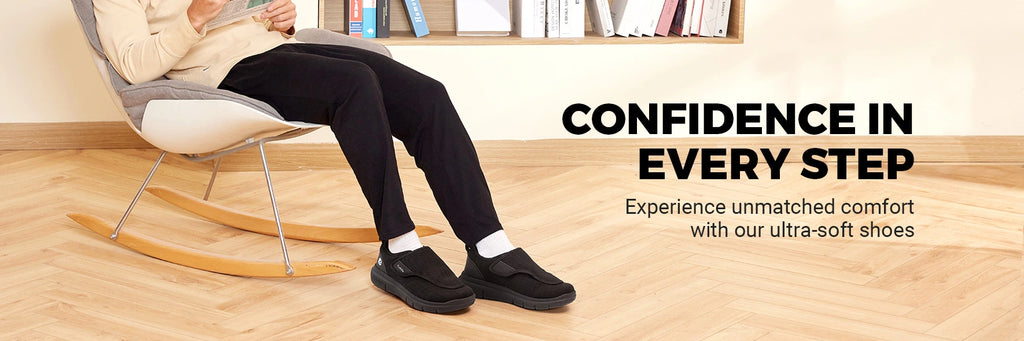
FAQs for Australian: What Are Diabetic Shoes?
Diabetes is a common condition in Australia, affecting millions of people. One often overlooked aspect of diabetes management is foot health. High blood sugar levels can damage nerves and blood vessels in the feet, leading to neuropathy, poor circulation, and an increased risk of ulcers or infections. This is where diabetic shoes come in.
What Are Diabetic Shoes?
Diabetic shoes are specially designed footwear that helps prevent foot injuries and complications associated with diabetes. Unlike regular shoes, they focus on comfort, protection, and support. They are designed to reduce pressure points, protect sensitive areas, and accommodate foot deformities.
Key Features of Diabetic Shoes
-
Extra Depth and Roomy Toe Box
Diabetic shoes often have a wider and deeper design to prevent rubbing against bunions, corns, or swelling. This helps avoid blisters and sores that can lead to infection. -
Soft and Flexible Materials
Materials like soft leather, mesh, or knit are used to reduce friction and provide gentle cushioning around the foot. -
Adjustable Fastenings
Many diabetic shoes feature Velcro straps or laces that can be adjusted to accommodate swelling or custom orthotics. -
Supportive Insoles
Arch support and cushioned insoles help distribute pressure evenly across the foot, reducing strain on sensitive areas. Some shoes allow removable insoles for custom orthotics. -
Slip-Resistant Soles
Safety is crucial. Diabetic shoes often have non-slip soles to prevent falls, especially for older Australians.
Who Should Wear Diabetic Shoes?
Diabetic shoes are recommended for people who:
-
Have diabetes-related neuropathy or nerve damage
-
Experience swelling in their feet
-
Have foot deformities such as bunions or hammertoes
-
Are prone to foot ulcers or infections
-
Require extra comfort and support for long periods of standing or walking
Benefits of Diabetic Shoes
-
Prevent Foot Injuries: Reduce the risk of blisters, cuts, and ulcers.
-
Improve Comfort: Soft, padded designs help relieve pressure and pain.
-
Support Foot Health: Helps maintain proper foot alignment and reduces strain on joints.
-
Enhance Mobility: Comfortable footwear encourages walking and daily activity, which is important for managing blood sugar.
Diabetic Shoes in Australia
In Australia, diabetic shoes are widely available through:
-
Specialty footwear stores: Many stores focus on orthotic and medical shoes.
-
Podiatrist clinics: Podiatrists can recommend or custom-make diabetic shoes based on your foot shape and needs.
-
Online retailers: There are options for Australians who prefer home delivery, but it’s best to try shoes on for proper fit.
Some well-known brands offer diabetic shoes suitable for Australians, including models with extra width, cushioned soles, and supportive features tailored for long walks or daily use.
Tips for Choosing the Right Diabetic Shoes
-
Get your feet measured professionally to ensure correct size and width.
-
Check for removable insoles if you use orthotics.
-
Look for breathable materials to reduce moisture and prevent fungal infections.
-
Inspect shoes regularly for wear or signs of pressure points.
-
Replace shoes when needed, as worn shoes can cause injury.
Final Thoughts
Foot care is a vital part of diabetes management. Investing in a pair of diabetic shoes can prevent serious complications, improve comfort, and keep you active. Whether you’re walking in the city, running errands, or enjoying the outdoors, the right shoes protect your feet every step of the way.
For Australians living with diabetes, diabetic shoes are not just a comfort item—they are an essential tool for health and mobility.




