


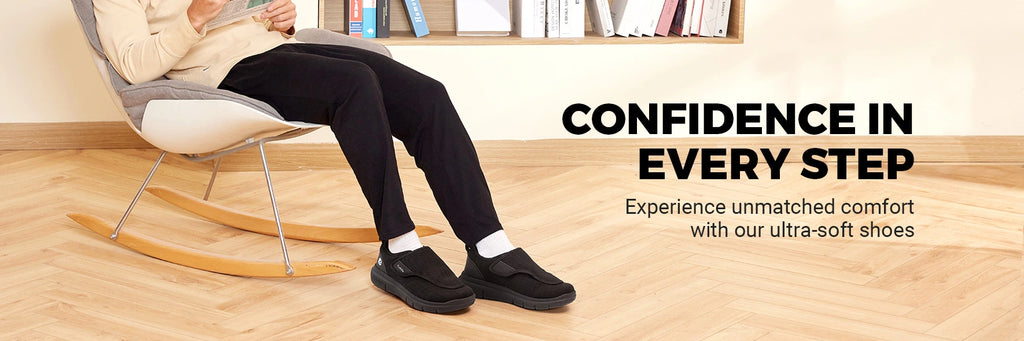
FAQs for Australia: What Are the Best Shoes for a Diabetic
Managing diabetes means paying extra attention to your feet. In Australia, where walking, work, and outdoor activity are common, choosing the right diabetic men's shoes is essential to prevent blisters, ulcers, and other complications. Here are the most frequently asked questions about diabetic-friendly shoes for Australians.
1. Why are diabetic shoes important?
Diabetes can reduce circulation and sensation in your feet. Even minor pressure or friction can lead to blisters, calluses, or ulcers. Proper shoes protect your feet, improve comfort, and reduce the risk of serious foot problems.
2. What features should diabetic shoes have?
Diabetic shoes should include wide toe boxes to avoid squeezing toes, adjustable closures like Velcro or laces to accommodate swelling, cushioned and shock-absorbing soles to protect sensitive areas, seamless interiors or soft linings to prevent rubbing, good arch support for balance and even pressure distribution, and slip-resistant outsoles for safety on different surfaces.
3. Which types of shoes are suitable for diabetics?
Walking shoes are supportive and cushioned for everyday activity. Athletic shoes are designed for exercise with extra shock absorption. Orthopedic or therapeutic shoes accommodate foot deformities and custom insoles. Sandals are wide and adjustable for warm weather but toes should be protected if at high risk. Boots are deep and protective, ideal for outdoor work or winter use.
4. Can regular shoes work for diabetics?
Only if they are wide, cushioned, and seamless with good support. Avoid tight or stiff shoes, which can cause foot injuries. Test shoes for comfort and fit before using them regularly.
5. How do I ensure proper fit?
Measure your feet regularly as they can change over time. Try shoes on in the afternoon when feet may be slightly swollen. Ensure at least a finger-width space at the front of the shoe. Walk in the shoes to check for rubbing or slipping. Consider orthotics for extra support if needed.
6. Where can Australians buy diabetic-friendly shoes?
Propet Australia offers a wide selection of diabetic shoes with removable insoles. Ergonx / Instride designs shoes by Australian podiatrists for support and comfort. Pedors Australia offers orthopedic and diabetic footwear for men and women. Grubin Shoes provides stylish options with wide toe boxes for women. Homyped and Dr. Comfort offer indoor and outdoor options for sensitive feet.
7. How often should diabetic shoes be replaced?
Check shoes regularly for wear, damage, or loss of cushioning. Replace shoes every 6–12 months, or sooner if support or fit declines. Re-evaluate orthotics along with shoes to maintain proper fit.
8. Additional foot-care tips for Australians with diabetes
Wear socks with shoes to reduce friction and moisture. Avoid high heels or tight shoes that increase pressure. Keep shoes clean and dry to prevent infection. Rotate shoes to maintain shape and cushioning. Inspect feet daily for redness, swelling, or wounds, and see a podiatrist regularly.




