


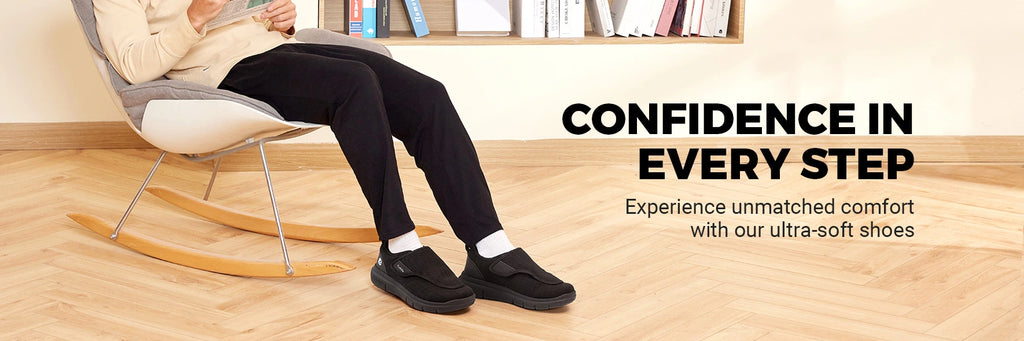
FAQs for Australia: Are Diabetic Shoes Considered Orthotics
Foot health is a major priority for Australians living with diabetes. With the risks of neuropathy, poor circulation, and skin breakdown, many people look into specialised footwear to stay safe and comfortable. One common question is:
Are diabetic shoes considered orthotics?
The short answer: Diabetic shoes and orthotics are not the same, but they often work together to provide complete foot protection.
Here’s a simple breakdown to help Australians understand the difference and how both can support healthy feet.
What Are Diabetic Shoes?
Diabetic shoes are specially designed footwear made to reduce pressure, minimise friction, and prevent foot injuries. They typically include:
-
Wide toe boxes
-
Extra depth for swelling or foot deformities
-
Soft, seam-free interiors
-
Protective cushioning
-
Shock-absorbing soles
-
Room for custom orthotics
In Australia, diabetic shoes are commonly recommended by podiatrists for people with neuropathy, circulation issues, or high foot-ulcer risk.
What Are Orthotics?
Orthotics are medical inserts placed inside your shoes. They can be:
-
Custom-made by a podiatrist
-
Specialised medical insoles
-
Supportive arch inserts
-
Cushioned pads for pressure relief
Orthotics help with alignment, arch support, pressure distribution, and reducing pain from conditions like flat feet, plantar fasciitis, or diabetic foot pressure points.
So… Are Diabetic Shoes Considered Orthotics?
No — diabetic shoes are not considered orthotics.
They serve different roles:
-
Diabetic shoes = specialised footwear
-
Orthotics = specialised inserts
However, diabetic shoes are orthotic-friendly, meaning they are built with extra depth and removable insoles so you can use your custom inserts comfortably.
Why Diabetics Often Need Both
For Australians with diabetes, combining diabetic shoes and orthotics provides the best protection.
1. Better Pressure Distribution
Orthotics help target pressure points, while diabetic shoes provide extra room and cushioning to prevent friction.
2. Improved Support and Stability
Orthotics offer alignment and arch support; diabetic shoes add a stable, non-slip base — important on Australian surfaces like tiles, pavement, and concrete.
3. Reduced Risk of Ulcers and Injuries
The combination significantly lowers the chance of skin breakdown, blisters, or sores.
4. Accommodation for Swelling
Diabetic shoes often include wide widths and adjustable straps, which pair well with orthotics even on days when feet swell (common in warm Australian weather).
When Should You Use Orthotics With Diabetic Shoes?
Australian podiatrists may recommend orthotics if you have:
-
Plantar fasciitis
-
Flat feet or high arches
-
Foot deformities
-
Uneven pressure areas
-
Returning or chronic foot ulcers
-
Chronic pain while walking
-
Neuropathy with balance issues
If you already wear orthotics, switching to diabetic-friendly shoes gives your inserts the space and support they need to work properly.
Final Thoughts
Diabetic shoes are not orthotics, but they play a complementary role. Think of it this way:
-
Orthotics support the foot from the inside.
-
Diabetic shoes protect the foot from the outside.
For Australians living with diabetes, using both together often provides the best combination of comfort, protection, and long-term foot health.




