


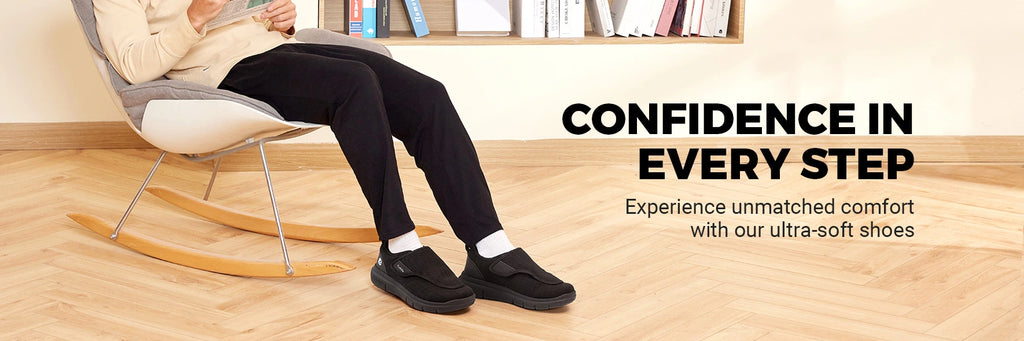
FAQs: Can the Right Shoes Relieve Bunions?
If you have bunions, you've probably wondered whether changing your shoes can make a real difference. While the right footwear can't reverse or cure a bunion, it can significantly reduce pain, improve comfort, and help you stay active.
In this FAQ, we'll answer the most common questions about how the right shoes for bunions can help relieve bunion symptoms and what features to look for.
Frequently Asked Questions About Shoes and Bunion Relief
1. Can the right shoes relieve bunions?
Yes.
Although shoes cannot correct the underlying bone deformity, properly fitting footwear can help relieve many of the symptoms associated with bunions by reducing pressure on the affected joint.
The right shoes can help:
- Reduce pain
- Minimize pressure on the bunion
- Prevent rubbing and irritation
- Improve walking comfort
- Support better foot alignment
Many people experience noticeable relief simply by switching to shoes designed for wider feet.
2. Can shoes make a bunion go away?
No.
A bunion is a structural change in the big toe joint, and shoes cannot reverse it.
However, appropriate footwear can:
- Reduce discomfort
- Slow the progression of symptoms
- Lower the risk of blisters and calluses
- Improve daily mobility
If a bunion becomes severe or significantly affects your quality of life, medical treatment may be necessary.
3. What shoe features help relieve bunion pain?
Look for shoes with:
- A wide toe box
- Wide or extra-wide width options
- Soft, flexible upper materials
- Cushioned midsoles
- Good arch support
- Low heels
- Slip-resistant outsoles
- Adjustable laces or hook-and-loop straps
Together, these features reduce pressure on the bunion while providing comfort and stability.
4. Why is a wide toe box important?
A wide toe box allows your toes to spread naturally instead of being squeezed together.
Benefits include:
- Less pressure on the bunion
- Reduced friction
- Improved balance
- Greater walking comfort
This is one of the most important features to consider when shopping for bunion-friendly shoes.
5. Do cushioned shoes help with bunions?
Yes.
Cushioning helps absorb impact during walking, reducing stress on the forefoot and the big toe joint.
Well-cushioned shoes may help:
- Reduce pain
- Minimize foot fatigue
- Improve comfort on hard surfaces
- Make longer walks more enjoyable
Moderate cushioning is often the best choice for everyday wear.
6. Can supportive shoes reduce pressure on bunions?
Yes.
Supportive shoes help distribute body weight more evenly across your feet, reducing the amount of pressure placed directly on the bunion.
Good support can also improve walking mechanics and reduce strain on surrounding joints.
7. Should I buy bigger shoes for bunions?
Not necessarily.
Buying longer shoes may cause your feet to slide forward, increasing pressure on the front of the shoe.
Instead, choose shoes that offer:
- The correct length
- A wider fit
- A roomy toe box
Proper width is generally more important than buying a larger size.
8. Are orthopedic shoes good for bunions?
For many people, yes.
Orthopedic shoes are often designed with features that support foot comfort, including:
- Extra depth
- Wide toe boxes
- Better cushioning
- Enhanced arch support
- Stable soles
These features can help reduce discomfort during daily activities.
9. Can running shoes help relieve bunion pain?
Many running shoes can.
Modern running shoes often include:
- Cushioned midsoles
- Flexible uppers
- Lightweight construction
- Shock absorption
- Wide-width options
Walking or running shoes with these features can be an excellent choice for everyday wear.
10. Can wearing the wrong shoes make bunions worse?
Yes.
Shoes that are too narrow, too tight, or have high heels can increase pressure on the big toe joint and worsen symptoms.
Poor footwear may lead to:
- Increased pain
- Swelling
- Blisters
- Calluses
- Greater irritation
Choosing the right shoes is one of the easiest ways to reduce these problems.
11. Should shoes touch my bunion?
Ideally, no.
The upper material should gently accommodate the bunion without pressing tightly against it.
Stretchable materials such as knit fabric or soft leather are often more comfortable than stiff materials.
12. Can shoes prevent bunions from getting worse?
Shoes cannot guarantee that a bunion won't progress, but they can reduce repeated pressure and irritation that may contribute to worsening symptoms.
Comfortable footwear also encourages healthier walking patterns and reduces unnecessary stress on the foot.
13. Are sandals a good option for bunions?
They can be.
The best sandals for bunions include:
- Adjustable straps
- A supportive footbed
- Arch support
- Cushioned soles
- Plenty of room around the toes
Avoid narrow sandals or styles that place pressure directly over the bunion.
14. Can shoe inserts help?
Yes.
Supportive insoles or orthotics may help:
- Improve foot alignment
- Redistribute pressure
- Increase cushioning
- Enhance overall comfort
Some people benefit from over-the-counter insoles, while others may require custom orthotics recommended by a healthcare professional.
15. Will wearing better shoes eliminate bunion pain completely?
Not always.
The amount of relief depends on:
- The severity of the bunion
- Your foot shape
- Your daily activities
- The quality and fit of the shoes
Many people experience significant improvement, but some discomfort may remain.
16. How quickly can I notice improvement after changing shoes?
Some people notice relief immediately after switching to properly fitting shoes.
Others may experience gradual improvement over several days or weeks as pressure on the bunion decreases and irritated tissues begin to recover.
17. Who benefits most from bunion-friendly shoes?
Bunion-friendly shoes may be especially helpful for people who:
- Spend long hours standing
- Walk frequently
- Have wide feet
- Have mild to moderate bunion pain
- Want to avoid unnecessary pressure on the big toe joint
Supportive footwear can make everyday activities more comfortable.
18. What else can help relieve bunion pain besides wearing the right shoes?
Shoes are only one part of bunion care. Other strategies include:
- Using protective bunion pads
- Applying ice after activity if swelling occurs
- Performing gentle toe and foot stretches
- Maintaining a healthy body weight to reduce foot stress
- Using orthotic inserts if recommended
- Consulting a podiatrist if pain becomes persistent or severe
Combining supportive footwear with these measures often provides the greatest relief.
Final Thoughts
The right shoes cannot cure a bunion, but they can make a meaningful difference in managing symptoms. Shoes with a wide toe box, soft uppers, supportive cushioning, stable soles, and proper arch support help reduce pressure on the bunion and improve overall comfort. Combined with good foot care habits, appropriate footwear can help you stay active, reduce daily discomfort, and support healthier foot function for years to come.




