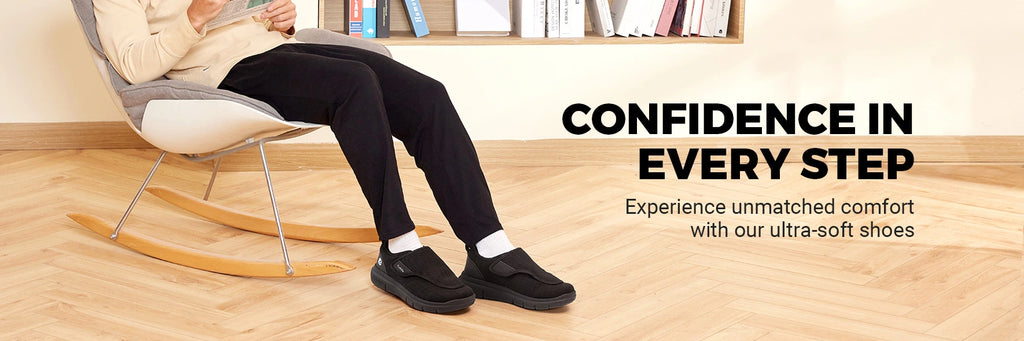
If you have bunions, footwear choice can make a noticeable difference in comfort, pain levels, and how fast symptoms progress. One of the most commonly recommended features is a wide toe box shoes—but does it actually help?
Here’s a clear FAQ guide to explain how wide toe box shoes relate to bunions and whether they’re worth it.
What is a bunion?
A bunion is a bony bump that forms at the base of the big toe, caused by the big toe gradually shifting inward over time. It’s commonly associated with pressure from narrow or tight footwear.
Medically, bunions are linked to joint misalignment and can worsen if the toes are consistently compressed.
What is a wide toe box shoe?
A wide toe box shoe is designed with extra space in the front of the shoe where your toes sit. Instead of tapering sharply, it allows the toes to:
- Spread naturally
- Avoid compression
- Maintain a more aligned position
This design is often used in comfort, orthopedic, and diabetic-friendly footwear.
Are wide toe box shoes good for bunions?
Yes—wide toe box shoes are generally considered one of the best footwear choices for bunions.
They help by:
- Reducing pressure on the bunion joint
- Preventing rubbing and irritation
- Allowing the toes to realign more naturally
- Decreasing inflammation caused by tight footwear
While they won’t reverse a bunion, they can significantly improve comfort and slow worsening in many cases.
Can wide toe box shoes stop bunions from getting worse?
They can help reduce contributing factors, especially mechanical pressure, but they do not “cure” bunions.
Bunions are usually progressive, meaning:
- Genetics and foot structure play a major role
- Footwear is one of the few controllable factors
So while wide toe box shoes don’t fix the deformity, they can help slow progression and reduce pain triggers.
What features should bunion-friendly shoes have besides a wide toe box?
A good bunion-friendly shoe usually includes more than just extra width:
- Soft, flexible upper material (to reduce friction)
- Low or cushioned heel drop
- Good arch support for alignment
- Adjustable straps or laces
- Seam-free or padded interior around the big toe area
- Shock-absorbing sole for walking comfort
Are wide shoes the same as wide toe box shoes?
Not exactly.
-
Wide shoes (e.g., 2E, 4E) = overall shoe width increases
-
Wide toe box shoes = extra space specifically in the front of the shoe
For bunions, toe box shape is often more important than general width alone.
Are wide toe box shoes better than bunion pads or spacers?
They serve different purposes:
-
Wide toe box shoes → prevent external pressure
-
Bunion pads/spacers → reduce friction and help alignment temporarily
Most podiatrists recommend combining both for best comfort, especially in more advanced bunions.
What types of shoes should people with bunions avoid?
To reduce pain and progression, avoid:
- Narrow or pointed-toe shoes
- High heels (especially narrow toe box styles)
- Stiff leather that doesn’t stretch
- Tight fashion shoes that compress the forefoot
These can increase pressure on the bunion joint and worsen symptoms over time.
Are orthopedic or diabetic shoes good for bunions?
Yes, many are.
Brands designed for foot conditions often include:
- Extra-wide toe boxes
- Cushioned interiors
- Adjustable fit systems
For example, supportive footwear lines like FitVille are designed with wide and extra-wide toe box options specifically for conditions like bunions, arthritis, and swelling.
Do wide toe box shoes help with bunion pain immediately?
Many people feel immediate relief, especially from:
- Reduced rubbing on the bunion bump
- Less pressure when walking
- More stable toe positioning
However, full comfort may take time as feet adjust to the new shape and support.
Final verdict: Are wide toe box shoes good for bunions?
Yes. Wide toe box shoes are one of the most effective footwear choices for bunion management.
They don’t reverse the condition, but they can:
- Reduce pain
- Improve walking comfort
- Slow irritation and pressure-related progression
For most people with bunions, they are a strong first step before considering more aggressive treatments.
If you want, I can also write a comparison guide like “wide toe box vs orthotic insoles for bunions” or a list of the best walking shoes for bunions in 2026.