


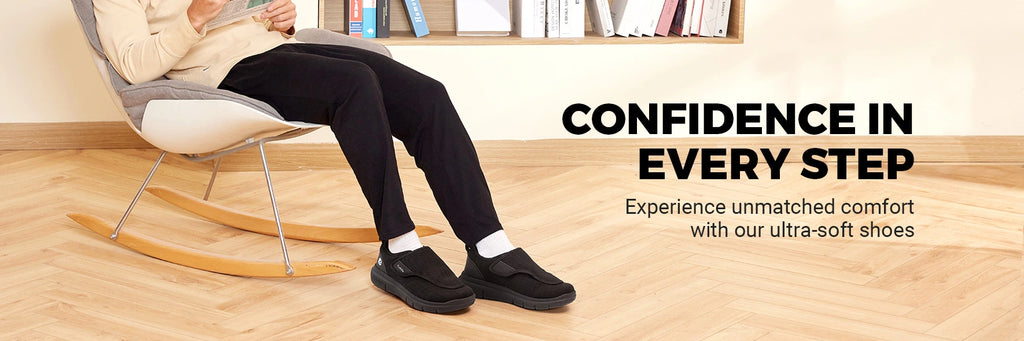
FAQs: Are There Specific Shoes That Help Reduce Tripping Risks?
Tripping is one of the most common causes of falls, especially among older adults, people with foot conditions, or anyone who walks frequently on uneven surfaces. Footwear plays a surprisingly large role in stability, balance, and confidence while walking. Below, we answer the most common questions about tripping risks—and explain what to look for in the best shoes for people with Parkinson’s disease designed to help reduce them.
Are there specific shoes designed to reduce tripping risks?
Yes. Specific shoes designed to reduce tripping risks focus on stability and secure foot placement. Unlike casual sneakers or loose slip-ons, these shoes are engineered to keep the foot properly aligned, supported, and firmly in place during each step.
Key design priorities include traction, controlled motion, and a stable base that helps the wearer move more confidently across different surfaces.
How do outsoles affect tripping and slipping?
The outsole is one of the most critical components for safety. Slip-resistant outsoles improve traction and help prevent unexpected slips or missteps, especially on wet sidewalks, smooth indoor floors, or loose outdoor terrain.
Rubber outsoles with firm grip patterns offer better ground contact and reduce sudden foot movement that can lead to loss of balance.
Do sole height and shape matter?
Absolutely. Low-profile soles reduce the chance of catching the toe on uneven surfaces, such as curbs, cracked pavement, or trail debris. Shoes with overly thick or unstable soles can increase the risk of stumbling, particularly for people with reduced foot clearance or gait changes.
A well-balanced sole keeps the foot closer to the ground while still offering enough cushioning for comfort.
Why is heel support important for balance?
The heel area plays a major role in stability. Firm heel counters provide rearfoot stability and better balance control while walking. A structured heel cup helps guide the foot into proper alignment and prevents excessive wobbling during heel strike.
This is especially important for people with plantar fasciitis, arthritis, or general balance concerns.
Can shoe weight influence tripping risk?
Yes. Lightweight shoes help users lift their feet more easily and maintain a steady gait. Heavy footwear can increase fatigue over time, making it harder to clear the ground with each step—especially during longer walks or at the end of the day.
The goal is a shoe that feels substantial enough to be stable, but not so heavy that it disrupts natural movement.
How does toe box width affect stability?
Toe space is often overlooked, but it matters. Wide toe boxes allow natural toe movement and improve overall foot stability. When toes are cramped, balance adjustments become harder, increasing the likelihood of missteps.
A roomy toe box is particularly beneficial for people with bunions, hammer toes, arthritis, or swollen feet.
What role does cushioning and support play?
Cushioning alone isn’t enough—it must be supportive. Supportive midsoles promote proper alignment and reduce unsteady movement, helping the body maintain a smoother, more predictable walking pattern.
EVA midsoles with structured support absorb shock while preventing excessive foot collapse, which can otherwise contribute to instability.
A Practical Example: FitVille Men’s Explorer Slip-On V2
The FitVille Men’s Explorer Outdoor Slip-On Shoes V2 are a strong example of how thoughtful shoe design can help reduce tripping risks without sacrificing comfort or convenience.

Designed for urban walking and light outdoor use, these slip-ons combine ease of wear with safety-focused features:
- Elastic double gore creates a snug, sock-like fit that stays secure while walking
- Wide (2E) and extra-wide (4E) options with extra depth accommodate high insteps, swollen feet, bunions, arthritis, and hammer toes
- A rigid rubber outsole delivers reliable traction on varied surfaces
- Advanced EVA midsoles provide stable, all-day cushioning and support
- A heel-hugging cup, padded collar, and firm heel counter work together to improve balance and gait control
- Breathable synthetic leather and nylon mesh uppers offer durability without stiffness
- Silky lining and cushioned collar ensure zero break-in time, reducing the risk of early discomfort or awkward walking patterns
The wide toe box supports natural toe splay, while the structured heel and supportive midsole help reduce unsteady movement—making them particularly suitable for people concerned about slips, trips, or foot fatigue.
Final takeaway: Can the right shoes really reduce tripping risks?
Yes. Choosing appropriate shoes can significantly lower tripping risks and improve walking confidence. Footwear that combines traction, stability, proper fit, and supportive structure can make everyday walking safer and more comfortable—whether you’re navigating city streets, indoor floors, or light trails.
If tripping or balance is a concern, paying attention to these shoe features is one of the simplest and most effective preventive steps you can take.




