


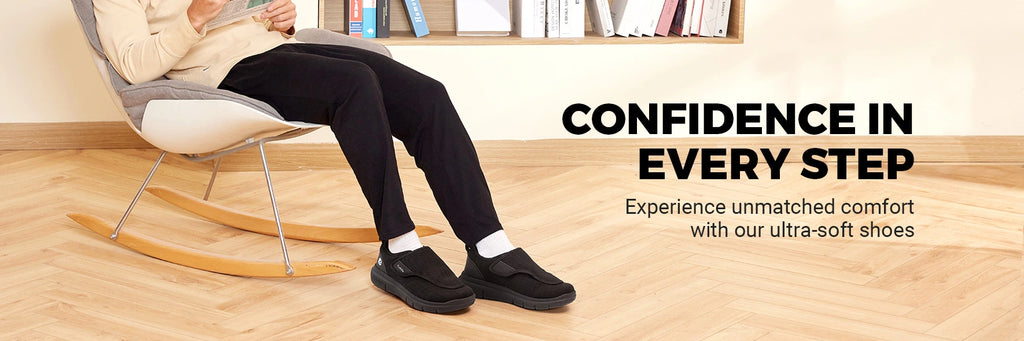
Best Walking Shoes for Janitors & Custodians 2026
A custodian walks miles of hallway, pushes a buffer across a wet floor, empties a hundred bins, and does it on a hard floor through the night. The shoes have to grip, shed water, and still cushion at sunrise. If you clean offices, schools, hospitals, universities, or government buildings for a living, you already know that the wrong pair turns hour eight into a slog. This guide breaks down what the best walking shoes for janitors actually need to do, where a comfortable walking shoe is the right call, and where a facility's slip-resistance rules mean you need certified footwear instead. Browse comfortable wide-fit walking shoes at FitVille's Fresh Picks collection.
What a Custodial Shift Actually Demands
Before any shoe talk, here is the job in plain terms. A custodial or commercial-cleaning shift puts these demands on your feet:
- 8-10 hour shifts, often overnight, when fatigue makes late-shift cushioning matter more
- Long building-loop walking across halls, classrooms, offices, restrooms, and stairwells
- A reliably wet hard floor from mop water, floor stripping and waxing, restroom floors, and freshly-cleaned surfaces
- Floor-care machinery push of mops, buffers, auto-scrubbers, vacuums, and loaded carts
- A bend-haul-reach pattern of emptying trash, dusting, wiping, and hauling bags on top of the walking
- Hard-floor impact on tile, concrete, terrazzo, and polished stone with very little give
- A wipeable, quick-clean need for an upper that meets cleaning chemicals, mop splash, and grime all shift
If that list matches your day, the rest of this guide is for you.
You Walk Farther Than People Think
The biggest difference between custodial work and other cleaning jobs is distance. A custodian covers a large building footprint over a shift, looping through halls, rooms, restrooms, and stairwells, far more walking than a room-bound hotel housekeeper. That cumulative mileage is the whole reason a cushioned walking shoe beats a flat, hard-soled work shoe here. Cushioning that survives the distance is the first spec to look for, because a midsole that packs down by the third loop leaves you absorbing every hard step on terrazzo for the rest of the night.
The Wet-Hard-Floor Reality
Your shoes spend much of the shift on a wet hard floor. Mop water, floor stripping and waxing, restroom floors, and surfaces you just cleaned yourself keep the ground slick. Two things matter here: a grippy outsole and a water-shedding upper.
Be clear-eyed about grip, though. A good multi-surface outsole gives you confident traction on a range of floors, but a general walking-shoe outsole is not the same as certified slip-resistant footwear. More on that boundary below, because it is the single most important honest point in this guide. On the upper, a water-shedding, wipeable build keeps mop splash and spills from soaking in, while a porous mesh upper drinks up water and holds odor by the weekend.
Pushing Machinery and the Bend-Haul-Reach Pattern
Cleaning is not just walking. You push mops, buffers, auto-scrubbers, vacuums, and loaded carts, and that means moving weight, not just your own body. Under load, a soft, squishy midsole works against you, letting your foot roll and sink. A stable supportive platform and a secure locked heel give you something firm to push from, which is steadier and less tiring across a shift.
On top of the push, there is the bend-haul-reach pattern: emptying bins, reaching to dust and wipe, hauling trash bags. That mixed motion stacks on the walking, so you want a shoe that stays planted and supportive whether you are striding a corridor or set up at a single spot working.
The Hard-Floor Impact Problem
Tile, concrete, terrazzo, and polished stone give almost nothing back. Every step sends impact straight up, and over a 10-hour shift that adds up. The counterintuitive part is that the answer is not maximum plushness. A pillow-soft shoe with no structure collapses under you and leaves your foot unsupported. What works better on hard floors is real cushioning sitting on a stable, supportive midsole, so you get impact relief without sacrificing the platform you need for machinery and loads. Support matters as much as softness here.
The Overnight-Shift Factor
A large share of custodial work runs overnight, and the late shift changes the math. When you are tired and the building is empty, the cushioning and stability that felt fine at 10 p.m. are what carry you to a 4 a.m. finish. A shoe that holds its support deep into the shift, rather than feeling flat and dead by the small hours, is doing real work for an overnight cleaner. If you run nights, prioritize a pair that stays comfortable late.
Wipeable, Quick-Clean, and Floor-Friendly
Your shoes get dirty in a way most jobs do not. The upper contacts cleaning chemicals, mop splash, and grime constantly. A wipeable, water-shedding upper that cleans up with a quick pass outlasts a mesh upper that soaks everything in and starts to smell. There is a flooring side too: a non-marking outsole protects the finished floors you just spent the shift caring for, so you are not scuffing black streaks across a corridor you waxed an hour ago. Cleanup and floor-friendliness are practical, daily wins in this trade.
The Honest Safety Boundary: Where You Need Certified Footwear
This is the part too many shoe guides skip, and it matters most here. Many facilities mandate certified slip-resistant (SR) footwear for floor-care roles, and some require it across the board. If your employer requires certified SR shoes, or you handle heavy floor-stripping chemicals, you should wear footwear that is actually certified and rated for that hazard.
A FitVille Rebound Core V9 is honestly a water-shedding walking shoe with a grippy multi-surface outsole. It is not marketed as a certified slip-resistant shoe, it is not chemical-resistant, and it is not waterproof. So the right way to think about it: if your facility allows staff to choose their own footwear and your role is general custodial walking and light cleaning, a comfortable cushioned walking shoe can be an excellent all-shift choice. If your role is SR-mandated floor care, route yourself to a certified product. Being straight about that boundary is more useful to you than a marketing claim that could leave you under-protected.
How Janitorial Work Differs From Housekeeping
It is worth separating custodial work from hotel housekeeping, because the footwear logic differs. Housekeeping is a room-turnover pattern: in and out of guest rooms, stripping linens, smaller repeated loops in a confined footprint. Custodial and commercial-cleaning work is bigger-footprint building loops, heavier floor-care machinery, and a large overnight segment. The custodian's higher walking distance and machinery-push load tilt the priorities toward cushioning-that-lasts and a stable platform, where a housekeeper leans more on quick-pivot agility. If you do both, weight your choice toward whichever dominates your week.
How the Brands Compare
Plenty of footwear is worn in this trade for good reasons, and it is worth knowing the landscape honestly. Shoes For Crews is widely chosen specifically for its certified slip-resistant designs, which is the right call where SR is mandated. Skechers Work offers cushioned, affordable work styles, many with slip-resistant options. Crocs Bistro clogs are popular in some cleaning and food-service settings for their wipeable, easy-on build. Dansko clogs are a long-standing choice for all-day standing comfort with a structured footbed. New Balance is a go-to for cushioned, wide-friendly fit in everyday and work-adjacent walking shoes.
All of these solve real problems. Where FitVille fits is the cushioning-plus-width-plus-value lane: a roomy, well-cushioned, wipeable walking shoe at a fair price, for cleaners whose facilities allow footwear choice and who prioritize all-shift walking comfort over a specific SR certification.
Fit After a Long Shift: Why Width Matters
Feet swell across a 10-hour shift, and a shoe that fit at clock-in can feel tight by the early hours. This is where width options earn their place. The right pair should come in more than one width and give your toes genuine room, so the shoe still feels good when your feet are at their largest. If your toes feel cramped by mid-shift in a standard-width shoe, a wider fit is often the single biggest comfort upgrade you can make.
A Wide-Fit Pick for the Custodial Shift: FitVille Rebound Core V9
If you want a cushioned, roomy, wipeable walking shoe built for long shifts on hard floors, the FitVille Rebound Core V9 is made for this kind of work. Here is how it maps to the job:
- Cushioning for long hard-floor loops, so the distance across a big building does not flatten you out
- A stable supportive platform for pushing buffers, scrubbers, and carts and for the bend-haul-reach pattern
- A grippy multi-surface outsole for the mixed wet and dry floors of a cleaning shift (a water-shedding walking shoe, honestly framed, not a certified SR shoe)
- A water-shedding, wipeable upper that sheds mop splash and wipes clean instead of soaking grime
- A non-marking outsole that protects the finished floors you maintain
- A roomy toe box with standard, 2E, and 4E widths for end-of-shift swelling
- Clean, work-appropriate colorways that look right in a building-maintenance setting
At $79.99, it is a straightforward, value-minded choice for cleaners who can wear their own footwear and want all-shift comfort. Shop the FitVille Fresh Picks collection.
Frequently Asked Questions
What are the best shoes for janitors? The best walking shoes for janitors are cushioned enough to survive long building-loop walking, built on a stable supportive platform for pushing floor-care machinery, fitted with a grippy multi-surface outsole and a water-shedding wipeable upper for wet floors, and offered in real width options for end-of-shift swelling. The FitVille Rebound Core V9 covers those bases at $79.99 in standard, 2E, and 4E widths. If your facility mandates certified slip-resistant footwear, choose a certified product instead.
Do custodians need slip-resistant shoes? Many facilities mandate certified slip-resistant (SR) footwear for floor-care roles, and some require it for all custodial staff. If yours does, wear a certified SR shoe. If your employer allows you to choose your own footwear and your work is general custodial walking and light cleaning, a comfortable cushioned walking shoe with a grippy multi-surface outsole can be a great all-shift option. Always follow your facility's footwear policy.
What shoes are good for mopping and wet floors? For mopping and wet floors, look for a grippy multi-surface outsole and a water-shedding, wipeable upper that does not soak up mop splash. A non-marking outsole is a bonus, since it protects the floors you just cleaned. Be honest with yourself about the difference between a water-shedding walking shoe and a certified slip-resistant shoe, and follow any SR requirement your facility sets.
What shoes work for an overnight cleaning shift? For overnight cleaning, prioritize cushioning and a stable supportive platform that hold up deep into the shift, since fatigue makes late-shift comfort matter most. A wipeable upper and a roomy fit that accommodates swelling round it out. A cushioned wide-fit walking shoe like the Rebound Core V9 is built to stay comfortable from the start of the loop to sunrise.
References
- Workplace slip, trip, and fall prevention guidance, including footwear considerations. U.S. Occupational Safety and Health Administration (OSHA)
- Guidance on selecting comfortable, supportive footwear for occupations involving prolonged standing and walking. American Podiatric Medical Association
- FitVille Rebound Core V9 product page. FitVille




