


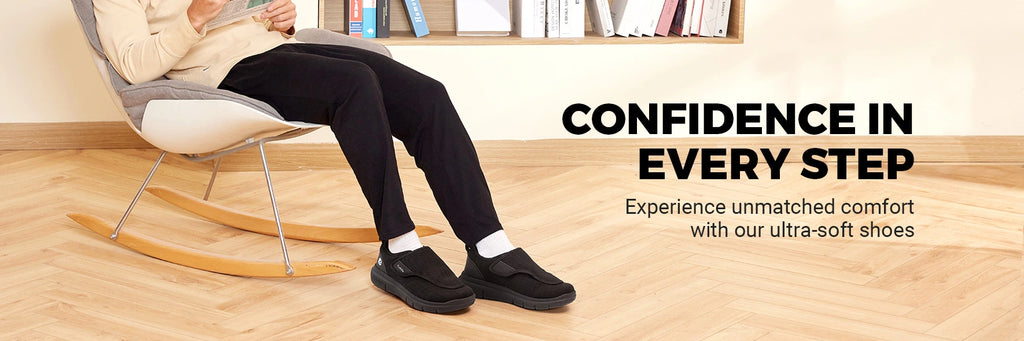
Best Walking Shoes for Vet Techs 2026
If you are searching for the best walking shoes for veterinary technicians, you already know your feet face a workload almost no other job throws at them. A single shift can mean:
- 8 to 12 hours on your feet
- A wet, sealed, washable floor that stays slick all day
- Constant room-to-room clinical walking
- Lift-and-restrain on animals from 5 to 100+ lb
- Kneel-and-crouch floor handling
- Claw, paw, and dropped-equipment hazards underfoot
- Disinfectant hose-downs and mid-shift mopping
- Surgery-prep standing that demands precision on top of all the walking
That is a brutal mix, and most shoes were never designed for it. The right pair has to shrug off water, grip a wet sealed floor, protect your toes, and still feel good after hour ten.
Shop closed-toe, water-shedding wide-fit shoes at FitVille →
Why the wet washable floor changes everything
Most occupational shoe guides assume a dry floor. Vet clinic staff do not get that luxury. The floor is sealed, washable, and reliably wet with water, urine, blood, disinfectant, and kennel runoff. Two specs matter more here than almost anywhere else:
- A water-shedding, wipeable upper. Porous mesh soaks up everything it touches, stays damp, and starts to hold odor by midweek. A smooth, water-shedding upper sheds splashes and wipes clean in seconds.
- A grippy, multi-surface outsole. A freshly mopped sealed floor is one of the slickest surfaces in any workplace. You want a tread pattern built to bite wet, smooth flooring rather than a flat road-running sole.
Get those two things right and you have solved most of the clinic-floor problem before you even think about cushioning.
Lift-and-restrain: you need a stable platform and a locked heel
Restraining a frightened 90 lb shepherd or hoisting a sedated cat carrier is a balance test. When the animal lunges or shifts, your shoes have to keep you planted. That means a stable, supportive platform underfoot and a heel that stays locked in place. A shoe that lets your heel slip during a sudden brace is working against you at the worst possible moment.
Kneel-and-crouch: forefoot flex without heel pop
So much of clinic work happens on the floor — coaxing a nervous dog out from under a chair, examining paws, cleaning kennels. You drop into a crouch dozens of times a shift. For that you want a forefoot that flexes naturally so you can fold into a crouch, paired with a heel that does not pop loose when you rock forward onto the balls of your feet. Stiff, blocky soles fight you every time you go down to the animal's level.
Closed-toe is non-negotiable
This one is simple: claws, paws, dropped instruments, and kennel hardware all live at foot height. A closed-toe shoe is mandatory clinic footwear, full stop. Open mesh, sandals, and clog cutouts leave the most exposed part of your foot unprotected against exactly the hazards a clinic produces all day.
Compare wide-fit clinic-ready shoes at FitVille →
Disinfectant and washability: wipe, do not soak
Washability is a higher priority for vet staff than for almost any other profession. At the end of a shift you want to wipe a shoe down, hose the worst of it off, and walk out without carrying the day home on your feet. A wipeable, water-shedding upper beats porous mesh that soaks, stays damp, and holds odor. Smooth uppers also clean far faster, which matters when you are doing it every single day.
Surgery-prep standing is its own demand
Surgery prep and procedure support add precision standing on top of all the clinical walking. Holding position at a table for long stretches asks more of your cushioning and your platform stability than walking does. A shoe that handles mixed walking-plus-standing — rather than a pure running shoe tuned only for forward motion — is the better tool for a day that swings between both.
Honest scoping: a water-shedding walking shoe is not a surgical clog
Here is the straight talk. For blood-borne and fluid-heavy roles — full surgery, ER, high-volume spay/neuter — a fully washable clog or a dedicated waterproof clinic shoe may genuinely be the better tool. The FitVille Rebound Core V9 is a comfortable, water-shedding walking shoe. It is not a fluid-proof surgical shoe, and we will not pretend otherwise. If your day is defined by standing in fluid, route that need toward purpose-built waterproof footwear. If your day is mostly mixed walking, restraint, crouching, and standing on a wet-but-not-flooded floor, a water-shedding walking shoe is often the more comfortable choice over a full shift.
Clinic floors are not grooming floors
It is worth separating clinic staff from dog groomers, even though both work wet. A grooming salon is a near-constant soak — standing in spray, tub work, drenched all day. A clinic floor is wet but episodic: walking-heavy, with surges of fluid around the mop, the hose, and the kennel runs. Groomers often lean toward a fully sealed waterproof boot or clog. Clinic staff, who walk far more, usually do better in a water-shedding walking shoe that stays comfortable through all that room-to-room movement.
Fit after hour ten
By the end of a long shift, feet swell. A shoe that fit fine at 7 a.m. can feel like a vise by 6 p.m. This is where width and toe room matter. A wide toe box lets your toes sit in their natural toe splay instead of being pinched, and genuine width options mean you are not forced to size up just to get room across the forefoot. The Rebound Core V9 comes in standard, 2E, and 4E widths so you can match the shoe to your actual foot rather than guessing.
Be fair: plenty of clinic shoes are popular for real reasons
Vet staff wear a lot of different footwear, and most of it is popular because it works in some way:
- Dansko XP 2.0 clogs are a clinic mainstay for their stand-all-day platform and easy wipe-down.
- Crocs Bistro Pro Clog is loved for being closed-toe, slip-resistant, and rinseable in seconds.
- Blundstone 510 boots shrug off mess and pull on fast.
- Bogs and muck-style boots win in the wettest kennel and large-animal settings.
- OOFOS recovery footwear gets worn off the floor for its cushioning.
None of these are wrong. They are different tools for different shift profiles. The goal is to match the shoe to your day, not to crown one winner.
How the FitVille Rebound Core V9 maps to clinic work
The Rebound Core V9 ($79.99) is built around the specs that matter on a wet sealed floor:
- Water-shedding wipeable upper that sheds splashes and cleans fast
- Cushioning tuned for mixed walking plus standing, not just road running
- Stable platform with a secure, locked heel for lift-and-restrain moments
- Grippy multi-surface outsole aimed at wet, sealed clinic floors
- Closed-toe construction against claws, paws, and dropped equipment
- Wide toe box that lets your toes sit in natural toe splay
- Standard, 2E, and 4E widths for real fit after hour ten
It is, deliberately, a comfortable water-shedding walking shoe — strongest for walk-heavy, mixed-task clinic days rather than fluid-immersion surgical roles.
Specific-model comparison
| Model | Type | Closed-toe | Wet-floor grip | Wipe-clean upper | Widths | Price |
|---|---|---|---|---|---|---|
| FitVille Rebound Core V9 | Walking shoe | Yes | Multi-surface, wet sealed floor | Yes, water-shedding | Standard / 2E / 4E | $79.99 |
| Dansko XP 2.0 | Clog | Yes | Slip-resistant outsole | Yes, leather wipe | Standard | ~$140 |
| Crocs Bistro Pro Clog | Work clog | Yes | Slip-resistant tread | Yes, rinseable | Standard | ~$55 |
| Blundstone 510 | Chelsea boot | Yes | Lugged outsole | Yes, leather wipe | Standard | ~$210 |
Prices are approximate and vary by retailer and region. Compare specs, not just price — the right pick depends on how walk-heavy versus fluid-heavy your shift is.
Find your width in FitVille's wide-fit lineup →
Frequently asked questions
What are the best shoes for vet techs?
The best shoes for vet techs are closed-toe, have a water-shedding wipeable upper, grip a wet sealed floor, and stay comfortable for mixed walking and standing across a 10-hour shift. Width and a wide toe box matter too, since feet swell late in the day. The FitVille Rebound Core V9 covers those bases for walk-heavy clinic days; a sealed clog may suit fluid-heavy surgical roles better.
Do vet techs need waterproof shoes?
It depends on the role. For walk-heavy clinic work on a wet-but-not-flooded sealed floor, a water-shedding shoe that sheds splashes and wipes clean is usually comfortable and practical. For fluid-immersion roles like full surgery or high-volume ER, a fully waterproof clog or dedicated clinic shoe is often the better tool. Match the shoe to your shift, not to a label.
Are Danskos or Crocs better for a vet clinic?
Both are popular for real reasons. The Dansko XP 2.0 offers a stand-all-day clog platform and easy wipe-down. The Crocs Bistro Pro Clog is closed-toe, lightweight, and rinses in seconds. Danskos tend to suit staff who want a firm supportive platform; Crocs suit those who prioritize quick cleaning and low weight. Neither is wrong — it comes down to how your feet feel after a long shift.
What shoes survive a wet clinic floor?
Shoes with a water-shedding or sealed upper and a grippy, multi-surface outsole survive a wet clinic floor best. Porous mesh soaks, stays damp, and holds odor, so it is the wrong choice here. Look for a smooth wipeable upper, a tread built for slick sealed flooring, and closed-toe protection. The FitVille Rebound Core V9 is designed around exactly those specs.




