


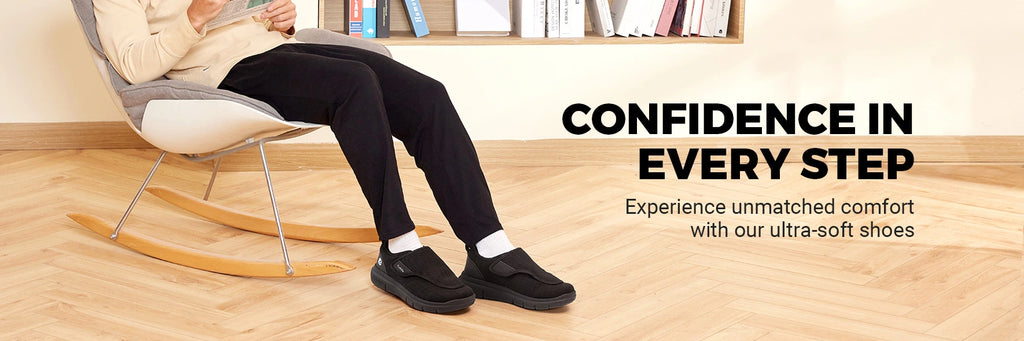
Best Shoes for Gardening 2026: Comfort for Yard Work
Gardening is not standing in a flower bed. It is a walking, kneeling, hauling, all-day job — and the footwear advice you find for it almost never reflects that. Search "gardening shoes" and you will get a wall of rubber clogs and boots. Those have a real purpose: they shrug off mud and water. But they also tend to be flat, unsupportive, and tiring to wear for hours, because they were designed to solve one problem — keeping water out — and nothing else. If your gardening day is mostly dry ground, you are wearing the wrong tool, and your feet, arches, and lower back are paying for it by mid-afternoon.
This guide is for hobby gardeners — a group that skews women, 45 to 75, and is a strong match for the people FitVille builds for — who move all day between kneeling at beds, squatting, standing at a potting bench, and walking the property. You want comfort and support across all of that, plus easy on and off and easy cleaning. We will route you by the kind of gardening you actually do, explain why a supportive walking shoe often beats a clog, and — importantly — be honest about the boundary, because there are real conditions where a clog or a waterproof boot still wins, and you should know which is which.
Shop walking shoes at FitVille Fresh Picks — use code AFS25 for 25% off sitewide.
Gardening task to shoe priority: a routing table
Not every gardener needs the same shoe, because not every garden day is the same. Find the row that matches most of your time outside.
| Your gardening day | What matters most | Best-fit footwear |
|---|---|---|
| Raised beds, potting bench, standing work | Cushioning and arch support for long static standing | A supportive walking shoe |
| Ground-level beds, lots of kneeling and squatting | A flexible forefoot and a footbed that eases the kneel-then-stand cycle | A supportive, flexible walking shoe |
| Walking and patrolling the property, hauling tools | Support, cushioning, grip for soft uneven ground, light weight | A supportive walking shoe |
| Standing water, deep mud, heavy landscaping | Full waterproofing, sometimes toe protection | A dedicated garden clog or waterproof boot |
Three of those four rows point at the same answer: a supportive walking shoe. That is the central argument of this guide. Only the last row — genuinely wet, muddy, or heavy-equipment work — points away from it, and we will come back to that boundary in detail.
The core argument: a gardener needs a walking shoe, not just a clog
Watch what a gardener's body actually does over a couple of hours. You walk from the shed to the far bed. You stand at the potting bench filling containers. You kneel, weed a stretch, and stand back up. You squat to plant. You walk to the compost pile with a full bucket. You stand at the hose. Then you do most of it again.
That is a walking-and-standing day with repeated kneeling mixed in. It is not a wading day. The dominant stresses on your feet are the same ones a daily walker deals with: sustained load on the arch from standing, repeated impact from walking over uneven ground, and the cumulative fatigue of being on your feet for hours. A flat rubber clog does nothing for any of that. It has no real arch contour, minimal cushioning, and a loose fit that makes walking any distance a shuffle. It keeps water out, and that is the whole of its job.
A supportive walking shoe, on the other hand, is built precisely for the dominant stresses of a gardening day: a cushioned midsole that absorbs hours of standing and walking, a contoured footbed that supports the arch, and a secure fit that lets you actually walk the property instead of shuffling. For the gardener whose day is mostly dry ground — which is most hobby gardeners, most of the time — that is the better match. Support and cushioning matter at least as much as water resistance, and usually more.
Arch support for the kneel-then-stand cycle
The one motion that defines gardening more than any other is going down to a knee and coming back up — and doing it dozens of times in an afternoon. Each time you rise from a kneel or a squat, you load the arch of your foot and the muscles of your calf to push your body weight back up. Do that thirty or forty times across a session and the cumulative work is significant. It is the most common reason gardeners finish the day with tired, achy feet and legs.
A shoe with a genuinely contoured, supportive footbed makes that cycle easier. The arch contour shares the load instead of leaving the soft tissue of your foot to absorb all of it, and a cushioned midsole gives you a stable, comfortable base to push up from. A flat-soled clog or a flimsy slip-on gives the foot nothing to work with — every rise is unassisted. This is an ergonomics point, not a medical one: better support simply makes a physically repetitive task less tiring. If you garden in long sessions, the footbed under your foot is the single feature that will change how you feel at 5 p.m. the most.
Cleanability: gardening shoes get dirty, by design
A gardening shoe is going to meet soil, mulch, water splashes, and the occasional muddy patch. The realistic standard is not "stays clean" — it is "cleans up easily and dries fast." What to look for:
- A wipe-friendly upper. Materials that let you knock off dried soil and wipe away splashes with a damp cloth, rather than fabric that soaks up and holds dirt.
- Materials that shrug off splashes. A shoe does not need to be fully waterproof to handle the light water and damp soil of normal gardening — it needs to not be ruined by them.
- A removable insole. Being able to pull the insole out lets the inside of the shoe dry properly after a damp session.
- Easy drying. Mesh and modern synthetics dry far faster than thick padding. Let shoes air-dry away from direct heat, which can damage foam and adhesives.
A practical routine: knock off the loose soil outside, brush or wipe the upper, pull the insole if the inside got damp, and let everything dry overnight. A pair you can clean in two minutes is a pair you will actually keep using.
Easy on and off: gardeners are in and out all day
Gardening is a stop-start activity. You step inside for a glass of water, to answer the door, to grab a different tool, to take a phone call — and then back out again. If taking your shoes on and off is a chore, you will either track soil through the house or skip the trip. A slip-on or easy-entry design solves that: a shoe you can step into and out of without sitting down or bending to tie laces saves the routine a dozen times a day.
The thing to watch is that easy entry should not cost you support. A flimsy slip-on that has no heel structure will not hold your foot for the walking and kneeling parts of the day. The combination you want is genuine easy entry and a structured, supportive build — the two are not a forced tradeoff if the shoe is engineered for it. Our guide to slip-on and hands-free walking shoes covers how to tell a supportive easy-entry shoe from a flimsy one.
Shop the FitVille Fresh Picks collection — use code AFS25 for 25% off sitewide.
The honest boundary: where a walking shoe is the wrong choice
This is the part most gardening-shoe content skips, and skipping it does the reader a disservice. A supportive walking shoe is the right call for a mostly-dry gardening day. It is the wrong call in three specific situations, and you should reach for something else when you hit them:
- Standing water and deep mud. A walking shoe is not a substitute for a waterproof boot. If your work routinely puts you in standing water, soggy ground, or deep mud — a rain garden, a pond edge, a spring bed that never quite drains — wear a dedicated waterproof garden boot or clog. A breathable walking shoe will get wet, and a wet shoe is uncomfortable and slow to dry.
- Heavy landscaping with power tools. A walking shoe is not a safety-toe shoe. It offers no protection against a dropped paver, a swung mattock, a tiller, a chainsaw, or anything else that can crush or cut. For heavy landscaping, demolition, or power-equipment work, wear proper protective footwear with a reinforced toe. This is not a job a comfort walking shoe is designed for, and it should not be asked to do it.
- Genuinely rough or hazardous terrain. Steep slopes, loose rock, thorny clearing work, or anything where you need aggressive lugs and a rugged build is closer to hiking-boot territory than walking-shoe territory.
None of this is a knock on a good walking shoe — it is just being clear about its lane. FitVille's role here is the comfortable, supportive all-around option for the gardener whose day is mostly dry ground, kneeling, standing, and walking. For wading and heavy work, the rubber boot and the safety-toe boot still earn their place. A sensible gardener owns the right tool for the conditions, and many own both.
A gardening footwear comparison: four specific options
Comparing like with like — specific models at the same level (brand, series, generation):
| Shoe | Type | Price (USD) | Support and cushioning | Best for |
|---|---|---|---|---|
| FitVille Rebound Core V9 | Supportive walking shoe | $79.99 | Cushioned midsole, contoured arch support, structured heel | Mostly-dry gardening: kneeling, standing, walking the property |
| Sloggers Premium Garden Clog | Waterproof rubber clog | ~$40 | Minimal — flat footbed, no arch contour | Wet beds, quick muddy trips, easy hose-off |
| Crocs Classic Clog | Foam clog | ~$50 | Light cushioning, little arch structure | Casual quick tasks, very easy on and off |
| Muck Boot Muckster II Low | Waterproof rubber boot | ~$95 | Modest — built for protection, not all-day support | Standing water, deep mud, wet-ground work |
The pattern is clear. The three clog-and-boot options are good at one thing — keeping water out — and weak on the support and cushioning that a long gardening day actually demands. The Sloggers Premium Garden Clog and the Muck Boot Muckster II Low are the right answer when you are working in genuine mud and water; the Crocs Classic Clog is a casual quick-task option. None of the three is built to keep your feet and arches comfortable through hours of kneeling, standing, and walking. The FitVille Rebound Core V9 is the supportive walking shoe in the group — the better match for the gardener whose day is mostly dry. Many gardeners are best served owning both: a walking shoe for normal days and a waterproof option for the wet ones.
How the Rebound Core V9 fits a gardening day
Mapping the shoe to the gardening problems above:
- Supportive contoured platform. A cushioned midsole and a contoured footbed that supports the arch through hours of standing and the repeated kneel-then-stand cycle — the ergonomics that decide how your feet feel at the end of the day.
- Durable, wipe-friendly upper. A practical upper that you can knock the soil off and wipe down, built to handle the splashes and damp soil of normal gardening.
- Grippy outsole. A lugged outsole that grips soft, uneven ground — garden paths, lawn, packed soil — so you walk the property with confidence rather than caution.
- Lightweight build. A lighter shoe is less tiring over an all-day, stop-start gardening session than a heavy boot.
- Wide toe box and width options. A wide toe box gives your toes room for natural toe splay while you kneel, squat, and walk, and standard, 2E (wide), and 4E (extra wide) widths fit feet that swell across a long warm-weather day.
- Easy entry. An easy-on, easy-off design suits the in-and-out rhythm of a gardening day. At $79.99 — and 25% off sitewide with code AFS25, detailed in our summer shoe sale guide — it is a sensible all-rounder.
To be clear about the boundary one more time: the Rebound Core V9 is a supportive walking shoe for mostly-dry gardening. It is not waterproof footwear for standing water or deep mud, and it is not safety-toe footwear for heavy landscaping. For those conditions, use a dedicated boot. For everything else a hobby gardener does, it is built for the job.
FAQ
What shoes should I wear for gardening?
For most hobby gardeners, the best choice is a supportive walking shoe — not the rubber clog that gardening footwear advice usually defaults to. A gardening day is a walking, standing, and kneeling day, so cushioning, arch support, and a secure fit matter as much as anything. A clog keeps water out but is flat and unsupportive, which leaves your feet and legs tired after a few hours. The exception is genuinely wet or muddy work, or heavy landscaping with power tools: for standing water reach for a waterproof boot, and for heavy equipment use proper safety-toe footwear. Many gardeners own a supportive walking shoe for normal days and a waterproof pair for the wet ones.
Are sneakers good for gardening?
A supportive walking shoe — which is what most people mean by a "sneaker" — is a good choice for gardening on mostly-dry ground, and often a better one than a clog. It gives you the cushioning and arch support that hours of standing, walking, and kneeling demand, plus a secure fit for covering the property. The things to look for are a contoured supportive footbed, a grippy outsole for soft uneven ground, and an upper you can wipe clean. Where a regular sneaker falls short is wet conditions: it is not waterproof, so for standing water or deep mud you still want a dedicated garden boot.
What shoes are best for kneeling in the garden?
For a gardening day with a lot of kneeling, the feature that matters most is a contoured, supportive footbed — because the demanding part is not the kneeling itself but rising back up afterward, dozens of times. Each time you stand from a kneel you load your arch and calf, and a supportive footbed with a cushioned midsole shares that load and gives you a stable base to push from, which makes the repeated cycle less tiring. A flexible forefoot also helps, since your foot bends as you go down and up. This is an ergonomics matter — a supportive shoe makes a repetitive task easier on the body; it is not a treatment for anything.
Do I need waterproof shoes for gardening?
It depends entirely on your conditions. If your gardening is mostly on dry ground — beds, paths, lawn, a potting bench — you do not need waterproof shoes, and a breathable supportive walking shoe will be far more comfortable across a long day. If your work routinely involves standing water, soggy ground, or deep mud, then yes, you want dedicated waterproof boots or clogs, and a regular walking shoe is not a substitute for them. A walking shoe handles the light water and damp soil of normal gardening; it does not handle wading. The honest answer for many gardeners is to own both and choose by the day's conditions.
Shop walking shoes at FitVille Fresh Picks — use code AFS25 for 25% off sitewide.
References
- FitVille Rebound Core V9 product page. FitVille
- Sloggers Premium Garden Clog product specifications. Sloggers
- Crocs Classic Clog product specifications. Crocs
- Muck Boot Muckster II Low product specifications. Muck Boot Company
- Footwear support and ergonomics for repetitive standing and kneeling tasks. American Podiatric Medical Association




