


Best Shoes for Escape Rooms 2026
Escape rooms have moved well beyond novelty. What started as a niche puzzle concept has grown into a mainstream urban entertainment staple — you will find them in most mid-size and larger cities, ranging from budget-friendly single-room setups to elaborate theatrical productions with professional set design and actor-driven storylines.
What they have in common, regardless of production value: you are on your feet, in motion, in an often-dim enclosed space, for a sustained stretch of time. And almost nobody thinks about what they are wearing on their feet before they show up.
This guide covers what physically happens during an escape room session, why footwear matters more than most people expect, and what to look for in a shoe that keeps you comfortable without getting in the way.
What Physically Happens During an Escape Room Visit
The typical escape room experience runs 60 to 90 minutes — that is the clock you are racing. During that time, you are rarely standing still. A typical session involves:
- Constant movement around the room — walking from one area to another, often retracing your steps as you revisit clues
- Crouching and kneeling to examine low fixtures, look under furniture, or access puzzle elements near the floor
- Reaching and stretching toward high shelves, overhead elements, or objects in inconvenient positions
- Moving quickly when a clue clicks and you need to get across the room fast
- Sustained standing during lock combination attempts and puzzle work at standing-height stations
In a more elaborate multi-room experience, add in navigating tight corridors, stepping over obstacles, or moving between scenes with different floor levels. Even a straightforward single-room setup keeps you in continuous motion for the full session.
The Floors You Are Walking On
Escape room venues typically occupy commercial spaces — former retail units, office suites, warehouse units — and the floors reflect that:
- Poured concrete is common in urban and industrial-style venues
- Tile and vinyl flooring appears frequently in themed rooms (hospital, laboratory, sci-fi settings)
- Smooth hardwood or laminate in more theatrical, high-production environments
What these have in common: they are hard, often cold, and offer no natural cushioning. If your shoes do not have it built in, your feet and legs absorb every step directly. Over 60 to 90 minutes of active movement, that is a noticeable accumulation of impact.
Many escape room floors are also relatively smooth — fine for controlled walking, but worth having a reliable rubber outsole under you if you are moving fast or pivoting quickly during a timed challenge.
Why Shoe Choice Actually Matters in an Escape Room
Cushioning for sustained movement on hard floors. This is the top factor. Poorly cushioned shoes on concrete or tile become noticeably uncomfortable within the first 30 minutes of a 90-minute session. A cushioned midsole absorbs the impact that would otherwise travel straight up through your legs during repetitive walking and crouching on hard surfaces.
Non-slip grip when you are moving fast. Escape rooms reward speed and decisiveness when things click. A rubber outsole with light tread gives you confident footing on smooth commercial floors — not a concern with most sensible shoe choices, but very much a concern if you arrive in smooth-soled leather dress shoes or hard platform soles.
Low profile and flexibility. Escape rooms often feature tight corners, low clearances, and unexpected obstacles. Big chunky shoes — heavy hiking boots, thick platform trainers — feel unwieldy when you are crouching, kneeling, or squeezing through a narrow passage. A flexible, low-profile shoe lets you move naturally and does not fight your foot when you need to change direction quickly.
Wide enough to stay comfortable. When you are active and warm, feet swell slightly. A narrow shoe that feels acceptable at the start of the session can start to constrict by the 45-minute mark. Wide-fit options with a roomy toe box prevent that progressive tightness during a sustained activity window.
What to Wear (and What to Skip)
Good choices: - Cushioned walking shoes with rubber outsoles - Low-profile athletic sneakers with flexible soles - Wide-fit comfort shoes with moderate tread
Skip these: - Formal leather-soled shoes — no grip, no cushioning, and harder to move quickly in - High heels — impractical for crouching, hard on concrete over 90 minutes, and genuinely awkward in low-lit rooms where you may need to move without warning - Heavy hiking or work boots — excessive for the environment and reduce foot mobility during crouching movements - Open-toe sandals or flip-flops — no protection against bumped toes, poor grip, and not appropriate for the activity level
The effective escape room dress code is: whatever you would wear for an active indoor outing. Smart-casual or casual athletic wear, paired with a comfortable shoe that handles walking and crouching without issue, is the right call.
FitVille Walking Shoes: Practical for Escape Rooms
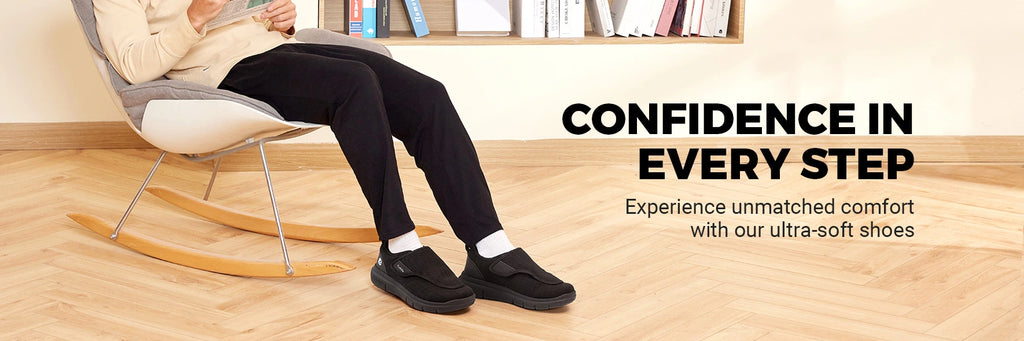
FitVille's wide-fit walking shoes are built for sustained daily wear on hard surfaces, which maps naturally onto escape room demands. The Rebound Core V9 is worth considering here:
- Wide-fit design with a generous toe box — comfortable from minute one through minute ninety, even during active movement
- Cushioned midsole absorbs repeated impact on concrete and tile over an extended session
- Rubber outsole provides grip on smooth indoor commercial floors
- Low-profile, flexible build that does not restrict natural foot movement during crouching or quick direction changes
- Clean, everyday appearance — appropriate for an urban entertainment venue without looking like trail or gym footwear
Comfortable shoes do not make you better at escape rooms. They do mean you are thinking about the puzzle instead of your feet.
Browse walking shoe options at the FitVille fresh picks collection.
FAQ
What should I wear to an escape room?
Comfortable, casual clothing and shoes are the right approach. Most escape rooms have no formal dress code, but you will want to be able to crouch, reach, and move without restriction. Avoid tight clothing that limits movement, and skip formal footwear — leather soles have poor grip on smooth commercial floors, and heels are impractical in low-lit rooms where you may need to move quickly in any direction. Comfortable walking shoes or low-profile sneakers with rubber outsoles are the practical choice for 60 to 90 minutes of active indoor movement.
Are sneakers OK for escape rooms?
Yes — sneakers are generally a great choice for escape rooms. Look for a pair with a rubber outsole for grip on smooth commercial floors, and a cushioned midsole for comfort on concrete or tile over a 60 to 90 minute session. Low-profile, flexible sneakers work better than stiff, high-top, or heavily structured athletic shoes that limit foot mobility during crouching. If you tend toward wider feet, a wide-fit option with a roomy toe box will serve you well through the full duration of the experience.




