


Best Shoes for Distillery Tours 2026
If you have a craft distillery tour on your calendar — whether that's a bourbon country experience in Kentucky, a whiskey trail stop, or a local gin or vodka producer — there is one thing most first-timers underestimate: how physical the experience actually is.
Distillery tours are not a simple walk through a lobby. You move through working industrial spaces, cross uneven concrete floors, navigate metal grating over drainage systems, step around hoses and channels, and often travel outside between multiple barrel houses or aging facilities. The environment is functional and sometimes wet or damp from humidity, cleaning runoff, and the ambient moisture that comes with large-scale fermentation and distillation operations.
The right footwear makes the difference between a comfortable two-hour experience and one that leaves your feet aching — or, at worst, ends in a slip on a wet surface. This guide covers what to look for in shoes for a distillery tour, what to avoid, and why a well-fitted walking shoe built for grip and cushioning is the smart choice.
What Makes Distillery Tour Environments Unique
Understanding the environment is what drives every footwear decision here.
Industrial floors and metal grates. Production areas of craft distilleries are built for function. You will encounter polished concrete, metal grating over drainage systems, and warehouse-style flooring that can be uneven, textured, or sloped. These surfaces demand a sole with enough grip to handle both smooth and irregular terrain.
Damp and wet surfaces. Water, condensation, and cleaning runoff are standard in distillery production areas. Barrel houses are climate-controlled but often humid. Fermentation and bottling areas may have moisture on the floor at any given time. The moment you combine smooth flooring with a damp surface, slip risk increases sharply.
Outdoor movement between buildings. Many craft distilleries — particularly those with multiple barrel houses or outdoor aging facilities — route guests outside between buildings. This can mean gravel paths, uneven ground, grassy areas, or pavement in variable conditions. Shoes that only work on smooth indoor floors are not enough for a full tour.
Extended walking time. A typical distillery tour runs 60 to 90 minutes, and some longer experiences at larger facilities push past that. You will be on your feet for most of it. Cushioning matters, especially if you are visiting multiple stops in a single day.
What to Look For in Distillery Tour Shoes
Slip-Resistant Outsoles
This is the single most important feature for a distillery tour. A slip-resistant outsole maintains grip on wet, smooth, or coated surfaces. Look for a rubber outsole with a directional lug pattern — the individual tread segments channel water away from the contact point, keeping more of the sole in contact with the floor and reducing the likelihood of sliding.
Vague marketing terms like "grippy" or "good traction" are not specifications. A proper slip-resistant sole should have visible tread depth and a rubber compound that remains pliable at room temperature. Hard plastic soles and smooth leather soles offer essentially no grip on damp concrete.
Closed-Toe Construction
Most craft distilleries recommend or require closed-toe shoes before guests enter production areas. Open-toe sandals, flip-flops, and mules leave your feet exposed to liquid spills, dropped equipment, and the uneven edges of metal grating. Closed-toe shoes are simply safer in industrial settings.
Beyond safety, a structured toe box also gives you more confidence when stepping over grates and irregular surfaces. You know exactly where your foot ends.
Cushioning for Long Walks
Walking on hard concrete or industrial flooring for 60 to 90 minutes is a meaningful endurance task for your feet. A shoe with a thick EVA or memory foam midsole absorbs the repetitive impact of each step and reduces fatigue, particularly if you are not accustomed to standing on hard surfaces for extended periods.
Wide Fit Options
Feet that are slightly wider than average — or that swell during extended walking — benefit significantly from a wide or extra-wide fit. Standard-width shoes that feel acceptable for a short errand can become uncomfortable after an hour of walking on hard floors. A roomy toe box reduces pressure on the forefoot and keeps you comfortable through the full length of the tour.
What to Avoid
Open-toe sandals or flip-flops. Beyond comfort concerns, these are frequently prohibited in production areas for safety reasons. Even at distilleries that do not formally enforce a shoe policy, damp industrial floors and open toes are a poor combination.
High heels or wedges. Heels concentrate body weight on a small surface area, which dramatically reduces stability on wet or uneven floors. Wedge sandals combine open-toe and heel problems in a single shoe. Neither is appropriate for a distillery tour.
Smooth-soled dress shoes or loafers. A polished leather sole with no tread is among the worst options for wet concrete. If you are pairing a distillery tour with a nicer dinner afterward, consider changing shoes between activities rather than compromising on either.
New shoes you have not broken in. Even an excellent shoe can cause friction and discomfort during extended walking if it has not been worn in. If you recently purchased a new pair, get a few shorter walks in before committing to a full tour day.
FitVille Walking Shoes for Distillery Tours
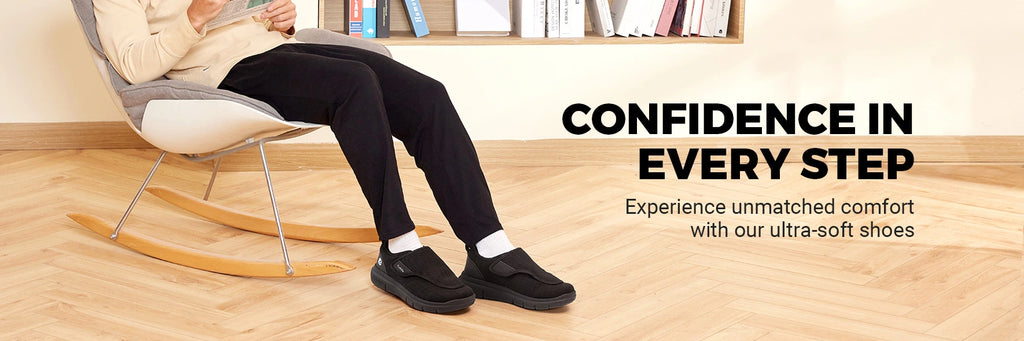
FitVille's comfort walking shoes cover all the key requirements for distillery tour footwear: wide-fit options in both standard and extended widths, cushioned insoles designed for prolonged hard-floor walking, rubber outsoles with slip-resistant tread, and closed-toe construction that keeps your feet protected in industrial environments.
If you have wider feet or find that standard-width shoes cause forefoot pressure after 30 to 45 minutes on hard floors, FitVille's wide-fit sizing makes a tangible difference over the course of a 90-minute tour.
Browse current styles at https://thefitville.com/collections/fresh-picks to find a pair suited to distillery tours and everyday comfort walking.
FAQ
What should I wear to a distillery tour?
Wear comfortable, closed-toe walking shoes with a slip-resistant rubber outsole. Dress in layers — production areas are often cool and humid, while outdoor sections between buildings may be warmer depending on the season. Avoid open-toe shoes, high heels, and smooth-soled dress shoes. Practical clothing you do not mind getting slightly dusty or damp is a better choice than anything formal.
Are open-toe shoes OK at a distillery?
In most cases, no. Many craft distilleries ask guests to wear closed-toe shoes before entering production areas. Even at those that do not formally enforce a footwear policy, open-toe shoes are a poor choice for industrial settings with metal grating, drainage channels, and potentially damp concrete floors. Closed-toe walking shoes with slip-resistant soles are the safest and most comfortable option for any distillery tour.




