


Best Shoes for Edema Feet: What to Look For and How to Choose
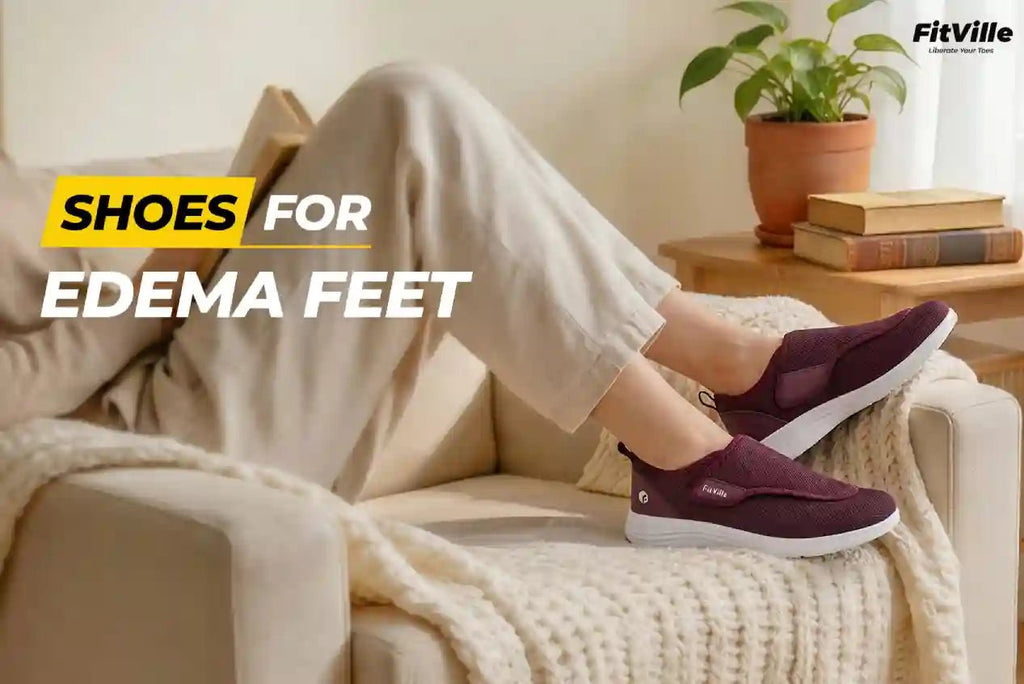
Swollen feet and ankles can turn simple daily tasks into a constant struggle. A pair that felt fine first thing in the morning can become painfully tight by mid-afternoon, leading to pressure points, irritated skin, reduced mobility and a greater risk of slips. Shoes for edema feet are designed to accommodate swelling and changes in foot size throughout the day, so the fit stays comfortable from morning to night.
The right pair can make a real difference — easing pressure, improving comfort and making everyday movement easier. This guide explains what edema is, how it affects your feet, and exactly what to look for when choosing shoes for edema and swollen feet that you can rely on, plus practical comparisons to help you pick the right style.
What Is Edema?
Edema is the medical term for swelling caused by excess fluid trapped in the body's tissues.[^1][^2] It can occur anywhere, but most commonly affects the feet, ankles and lower legs because of gravity.[^2] Common causes include:
- Venous insufficiency or poor circulation
- Heart, kidney or liver conditions
- Diabetes and related foot complications
- Pregnancy
- Certain medications (such as some blood pressure medicines, steroids or hormone therapy)[^1]
- Prolonged sitting, standing or inactivity
- Lymphedema
Because swelling tends to fluctuate over the course of a day, people living with edema need footwear that adapts to changing foot volume while keeping pressure off sensitive tissue.[^3] Persistent or sudden swelling should always be checked by a doctor or healthcare professional, as it can signal an underlying condition.[^1][^2]
Why Regular Shoes Often Don't Work
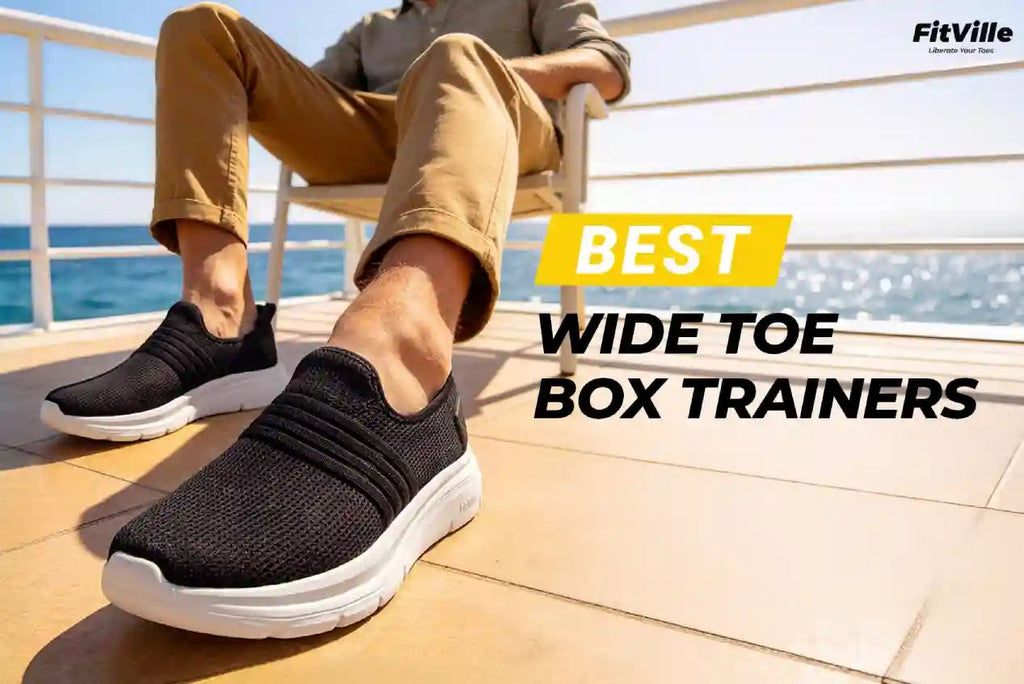
Most everyday shoes are built around standard foot dimensions — narrow toe boxes, limited depth, fixed lacing and rigid uppers. For swollen feet, those features create excess pressure that can restrict circulation, cause friction and blisters, and make walking harder. In more severe cases, especially for people with diabetes or neuropathy, poorly fitting shoes may contribute to skin breakdown or ulcers.[^4]
Key Features to Look For
1. Extra-Wide Fit
Width is the single most important feature. Look for shoes available in Wide (2E), Extra-Wide (4E) or XX-Wide (6E) so swollen feet can spread naturally instead of being squeezed by the sidewalls. Extra wide and adjustable designs help reduce pressure on swollen areas of the feet.
2. Adjustable Straps or Laces
Since swelling changes throughout the day, look for hook-and-loop straps, stretch laces or multiple adjustment points. Adjustable straps or closures allow for a flexible and secure fit that you can loosen or tighten as your feet change.
3. Cushioned Footbed
Cushioned insoles help reduce discomfort and absorb impact during walking or standing. A soft, supportive footbed eases pressure on the sole and reduces fatigue during long periods on your feet. A removable insole is a bonus, as it leaves room for orthotics.
4. Arch and Heel Support
Swelling can affect balance and gait. A supportive arch and a stable, cushioned heel keep the foot aligned, improve walking confidence and reduce slipping on uneven surfaces.
5. Lightweight Construction
Lightweight construction reduces strain and improves ease of movement. Heavy shoes add effort to every step, which is tiring when your feet are already swollen and sensitive.
6. Soft, Breathable Upper
Soft and stretchable uppers provide comfort without restricting blood circulation. Engineered mesh, knit and stretch panels flex with daily changes in foot volume. Breathable materials help manage moisture and keep feet cool and dry, which lowers the risk of irritation.
Recommended Shoe Types
Different styles suit different needs. The table below summarizes the main options for edema feet:
| Shoe type | Best for | Key characteristics |
|---|---|---|
| Extra-wide comfort shoes | Wide or swollen feet | Roomy 4E–6E last with cushioning to remove sidewall pressure |
| Adjustable-strap shoes | Feet that swell unpredictably | Hook-and-loop or adjustable lacing that resets fit through the day |
| Orthopedic shoes | Specific foot-health needs | Built-in arch support, stable heel and slip-resistant outsole |
| Slip-on shoes | Limited reach or bending difficulty | Easy on-and-off, no fastening to fight with |
| Cushioned walking trainers | Frequent walkers | Balanced shock absorption and support for distance comfort |

Velcro Shoes vs Slip-On Shoes for Swollen Feet
Both styles remove the hassle of laces, but they suit different needs. Velcro (hook-and-loop) shoes offer the most adaptability — you can micro-adjust the fit as swelling rises or falls during the day, which makes them ideal when foot volume changes a lot or fluctuates unpredictably.
Slip-on shoes win on convenience. With no fastening at all, they're easiest for anyone who struggles to bend down or reach their feet, such as people with limited mobility or back and hip stiffness. The trade-off is that a fixed opening can't be adjusted, so a stretchable upper becomes important to handle changes in swelling.
In short: choose velcro when you need a fit that resets through the day, and slip-on when easy, fuss-free on-and-off matters most — ideally with a stretch upper to keep the convenience without the pressure.
Extra-Wide Shoes vs Stretch Shoes for Edema
Extra-wide shoes give fixed, generous structured space (4E–6E) across the whole foot. They're the better choice for consistently wide or heavily swollen feet, and they pair well with compression socks or orthotic insoles because the extra width and depth are built in.
Stretch shoes use flexible knit or stretch-panel uppers that expand with the foot. They excel when swelling varies day to day or affects specific areas such as bunions or the top of the foot, molding to the shape rather than relying on a fixed last.
The ideal solution often combines both — an extra-wide last with a soft, stretchable upper — delivering structured room and flexible accommodation at the same time.
A Note on Compression Socks
Compression socks are often recommended to help manage swelling, particularly when prescribed by a healthcare professional.[^2][^5] They do add volume inside the shoe, however, so anyone wearing them usually benefits from a wider width, extra depth and adjustable closures — enough room for both the foot and the sock without creating new pressure.
Tips for Choosing Shoes for Edema Feet
- Measure both foot length and width, and choose the shoe width that matches — don't just size up in length.
- Try shoes on in the afternoon or when swelling is at its most noticeable, so the fit is realistic for your worst-case point in the day.
- Look for removable insoles so you can swap in orthotic or made-to-measure insoles if needed.
- Check for a slip-resistant outsole to reduce the risk of slips and falls.
- Avoid tight footwear entirely — even short spells in restrictive shoes can worsen discomfort — and check your skin regularly for redness, blisters or pressure marks, especially with diabetes or neuropathy.
Recommended: FitVille Men's EasyTop Series — Best Diabetic Shoes for Edema
For individuals struggling with edema, diabetic footwear can often provide a more comfortable solution than conventional shoes. The FitVille Men's EasyTop Series is specifically designed to accommodate swollen feet, sensitive skin, and changes in foot volume throughout the day.
Key features include:
Extra-Wide Fit — Available in widths up to 6E, the FitVille Men's EasyTop Series provides ample room in the areas where swelling commonly occurs, helping reduce pressure and improve overall comfort.
Adjustable Closures — Hook-and-loop straps make it easy to adjust the fit throughout the day as swelling changes.
Soft, Foot-Friendly Materials — Soft interior materials help minimize friction and irritation, making these shoes ideal for individuals with sensitive feet.
Cushioned Midsole — FitVille's proprietary cushioning technology helps absorb impact and reduce stress on the feet, ankles and joints, enhancing comfort with every step.
Supportive and Stable Platform — A broad, stable base helps improve comfort and confidence during daily walking.
Also Recommended: FitVille Women's EasyTop® Wings V2
For women dealing with swollen or sensitive feet, the FitVille Women's EasyTop® Wings V2 pairs an extra-wide toe box with a high instep that gently cradles the foot, giving it the room and support it needs:
- Easy on and off: Adjustable straps allow precise adjustments for high insteps and swollen feet.
- Friction-free, diabetic-friendly: A cushioned collar and silky lining reduce rubbing and irritation.
- Quick heel-pain relief: A U-shaped heel cup securely cradles the heel and distributes impact pressure evenly.
- Slip resistant: A solid rubber outsole provides reliable grip for steady, confident steps.
A wide forefoot and breathable upper help keep feet cool, while the padded collar adds a touch of extra ankle protection — everyday comfort and support for swollen, sensitive feet.

Final Thoughts
Choosing the right shoes for edema feet can improve comfort, mobility, and overall foot health. Prioritize width, adjustability, cushioning, support and breathability, and pick the style — velcro, slip-on, extra-wide or stretch — that matches how your feet behave through the day.
Comfortable, adjustable, and supportive shoes make swollen feet easier to manage — so your feet get the space and support they deserve, from morning to night.
References & Further Reading
- Mayo Clinic. Edema — Symptoms and causes. https://www.mayoclinic.org/diseases-conditions/edema/symptoms-causes/syc-20366493
- Cleveland Clinic. Edema: Causes, Symptoms & Treatment. https://my.clevelandclinic.org/health/diseases/12564-edema
- Patel H, Skok C, DeMarco A. Peripheral Edema: Evaluation and Management in Primary Care. Am Fam Physician. 2022;106(5):557–564. https://pubmed.ncbi.nlm.nih.gov/36379502/
- Goyal A, Singh B, Afzal M. Peripheral Edema. StatPearls [Internet]. Treasure Island (FL): StatPearls Publishing. https://www.ncbi.nlm.nih.gov/books/NBK554452/
- Lent-Schochet D, Jialal I. Physiology, Edema. StatPearls [Internet]. Treasure Island (FL): StatPearls Publishing. https://www.ncbi.nlm.nih.gov/books/NBK537065/
Note: FitVille footwear is designed for comfort and support but is not intended for medical diagnosis or treatment. FitVille disclaims any responsibility for injuries or harm resulting from the use of this product.
About FitVille Footwear
Just Follow us on LinkedIn, Facebook, YouTube, Instagram, RSS feed and Pinterest to catch our brand news.





